If you want to understand the modern playbook for building a lucrative business, look at how these eight stars turned simple side projects into staggering financial triumphs. You might see them on the big screen or dominating the music charts, but their most impressive and lasting accomplishments actually happen in corporate boardrooms. From a modest kitchen newsletter to homemade private recipes, several famous faces transformed their quiet passions into empires worth hundreds of millions. Studying these specific success stories reveals how leveraging an authentic personal brand and identifying real consumer needs can create permanent wealth. Fame provides an initial audience, but delivering genuine value ultimately builds the empire.
Reese Witherspoon: Flipping a Book Club Into a Media Juggernaut
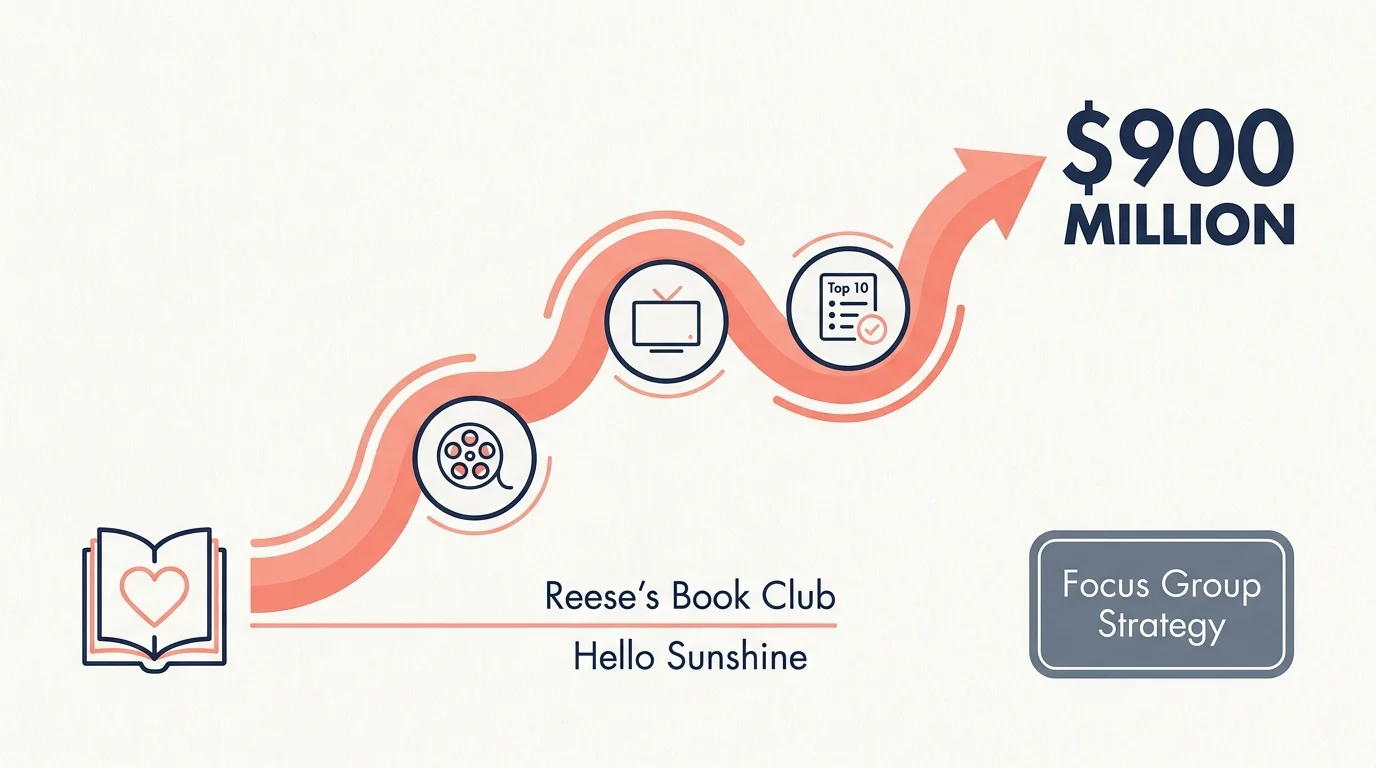
When Reese Witherspoon grew tired of reading scripts that relegated women to the sidelines as the wives or girlfriends of the main characters, she decided to create her own opportunities. What began as a passionate mission to adapt female-centric novels into films quickly evolved into a massive enterprise. In 2016, Witherspoon formally launched Hello Sunshine, a media brand heavily fueled by Reese’s Book Club. Instead of merely recommending novels to her followers, she aggressively acquired the rights to adapt them, effectively using her book club as an enormous real-world focus group. If a book resonated deeply with her readers, she knew it had a built-in audience for television or film. This calculated strategy birthed massive, award-winning hits like Big Little Lies, Little Fires Everywhere, and The Morning Show. In 2021, Witherspoon sold a majority stake in Hello Sunshine to Candle Media in a deal that Forbes reported valued the company at $900 million. She wisely retained a significant ownership stake and a seat on the board after the acquisition. This move transformed her from a Hollywood actress waiting for a casting call into a powerhouse media executive controlling her own intellectual property.
Actionable takeaway: You do not need to guess what your audience wants if you involve them in your testing phase. By listening to her readers first, Witherspoon mitigated the risk of producing expensive television shows that nobody wanted to watch. Use your existing community to validate your ideas before you invest significant capital.

George Clooney: Bottling a Private Vacation Drink for the Masses
George Clooney never set out to dominate the liquor store shelves. During a prolonged stay in Mexico, the Academy Award-winning actor and his friend Rande Gerber simply wanted a tequila that they could drink all day without experiencing a harsh burn or a terrible hangover the next morning. They spent months testing different flavor profiles and commissioning a local distillery to produce a private reserve exclusively for their friends and family. They ordered so many bottles of Casamigos—roughly a thousand bottles a year—that the distillery eventually forced them to acquire a commercial business license. The pair officially launched the brand to the public in 2013, completely disrupting the premium spirits market. By 2017, beverage conglomerate Diageo purchased Casamigos for $1 billion; a staggering transaction that CNBC confirmed included $700 million upfront and an additional $300 million tied to future performance metrics. Clooney and Gerber utilized their natural charisma to sell the brand, but the liquid inside the bottle legitimately lived up to the hype.
Actionable takeaway: The best products often emerge from solving a highly personal frustration. If you cannot find a solution to a specific problem in the current market, create it yourself. Clooney and Gerber did not rely on complex market research; they built a premium product that met their own strict standards, correctly assuming that other consumers would appreciate the exact same quality.
Bethenny Frankel: Inventing the Low-Calorie Cocktail Category
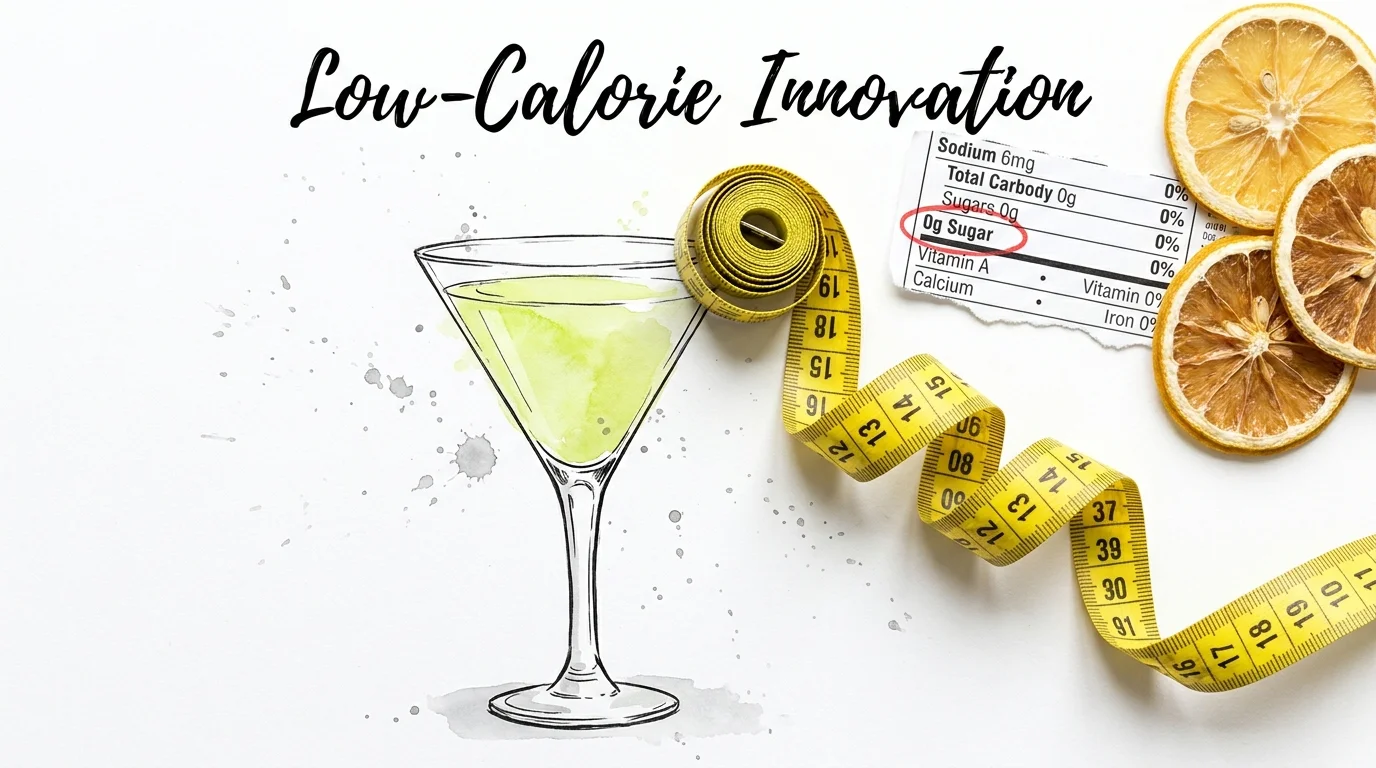
During the early seasons of reality television, cast members were generally not known for their sharp business acumen. Bethenny Frankel changed that narrative entirely. While filming the inaugural seasons of The Real Housewives of New York City, Frankel routinely ordered a custom low-calorie margarita consisting of clear tequila, a splash of lime, and club soda. Recognizing that women wanted to enjoy cocktails without consuming excess sugar and calories, she bottled her recipe and launched Skinnygirl. In 2011, Frankel sold the Skinnygirl cocktail portfolio to Beam Global in a massive deal that industry experts estimated to be worth up to $100 million. What makes her story truly extraordinary is the foresight she demonstrated before she ever poured a single commercial drink. Frankel famously agreed to a paltry $7,250 salary for her first season on television, but she insisted on a strict contract clause allowing her to retain full ownership of any business she promoted on the show. Furthermore, when she sold the alcohol division to Beam Global, she intentionally kept the rights to the Skinnygirl name for non-alcoholic categories, allowing her to expand into popcorn, salad dressings, and apparel.
Actionable takeaway: Always protect your intellectual property. By looking past immediate short-term paychecks and retaining control of her brand name, Frankel secured her financial future and built an enduring lifestyle empire. Structure your early contracts to accommodate your future pivots.

Gwyneth Paltrow: Monetizing a Humble Kitchen Newsletter
Long before the term “influencer” dominated the digital landscape, Gwyneth Paltrow decided to share her personal lifestyle recommendations with a small group of friends. In 2008, she launched Goop as a simple, homespun email newsletter sent directly from her kitchen. She focused on sharing clean eating recipes, unbiased travel tips, and early wellness discoveries. For several years, the publication operated merely as a passion project, prioritizing audience trust and engagement over immediate monetization. As her readership steadily expanded, Paltrow slowly introduced e-commerce elements, selling curated fashion and wellness products before eventually manufacturing her own high-margin goods. Despite attracting polarizing media coverage for some of its unconventional offerings, Goop captured an incredibly loyal customer base willing to pay premium prices for items perfectly aligned with Paltrow’s curated aesthetic. By 2018, following a highly successful Series C funding round, financial analysts estimated the company to be valued at an impressive $250 million. Paltrow successfully evolved her brand from a weekly recipe dispatch into a globally recognized wellness authority.
Actionable takeaway: Build your community and establish trust before you ask anyone to open their wallet. Paltrow provided free, highly specific value to her subscribers for a long time. When she finally introduced physical products, her audience already trusted her curation, making the transition to retail feel entirely authentic rather than purely transactional.
Ryan Reynolds: Mastering the Art of Quirky Corporate Ownership
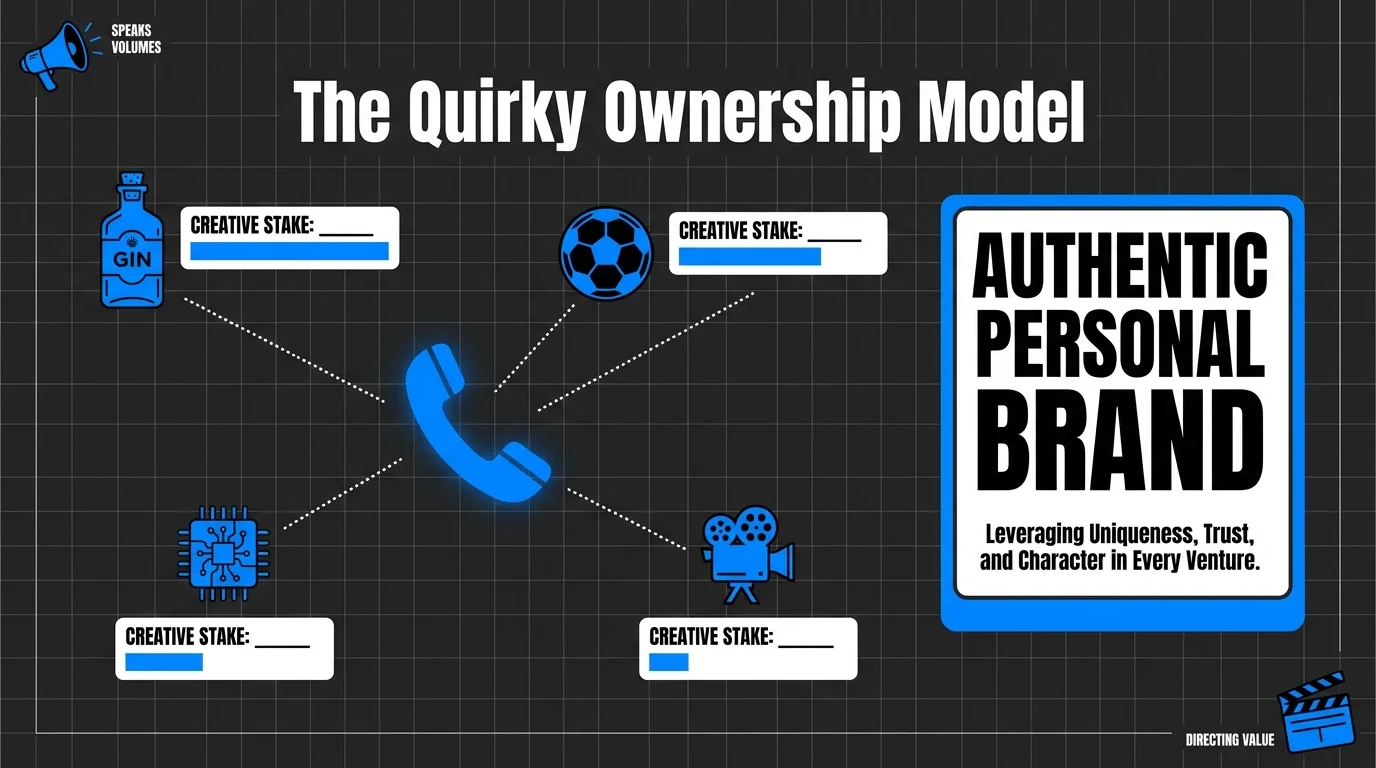
Ryan Reynolds has proven time and again that traditional corporate marketing does not have to be boring. The actor leverages his immense personal brand and razor-sharp wit to acquire and scale businesses in notoriously rigid industries. In 2018, Reynolds purchased a significant ownership stake in Aviation American Gin simply because he genuinely enjoyed the taste. He immediately began directing and starring in hilarious, self-aware advertisements that went viral, dramatically increasing the brand’s visibility. His aggressive marketing efforts paid off handsomely when Diageo acquired Aviation Gin for up to $610 million in 2020, as covered heavily by The Guardian. Reynolds did not stop at spirits; he replicated this exact playbook in the highly competitive telecommunications sector. He purchased a stake in the budget wireless provider Mint Mobile, using his creative marketing agency to produce highly engaging, low-budget commercials that directly mocked traditional corporate advertising. In 2023, T-Mobile acquired Mint Mobile in a blockbuster deal valued at $1.35 billion.
Actionable takeaway: Humanize your marketing strategy. Consumers are utterly exhausted by corporate jargon and polished, soulless advertisements. By injecting humor and genuine personality into your campaigns, you can differentiate your brand in even the most saturated and unglamorous markets. Speak to your customers like they are your equals.
Rihanna: Demanding True Inclusivity in the Beauty Industry
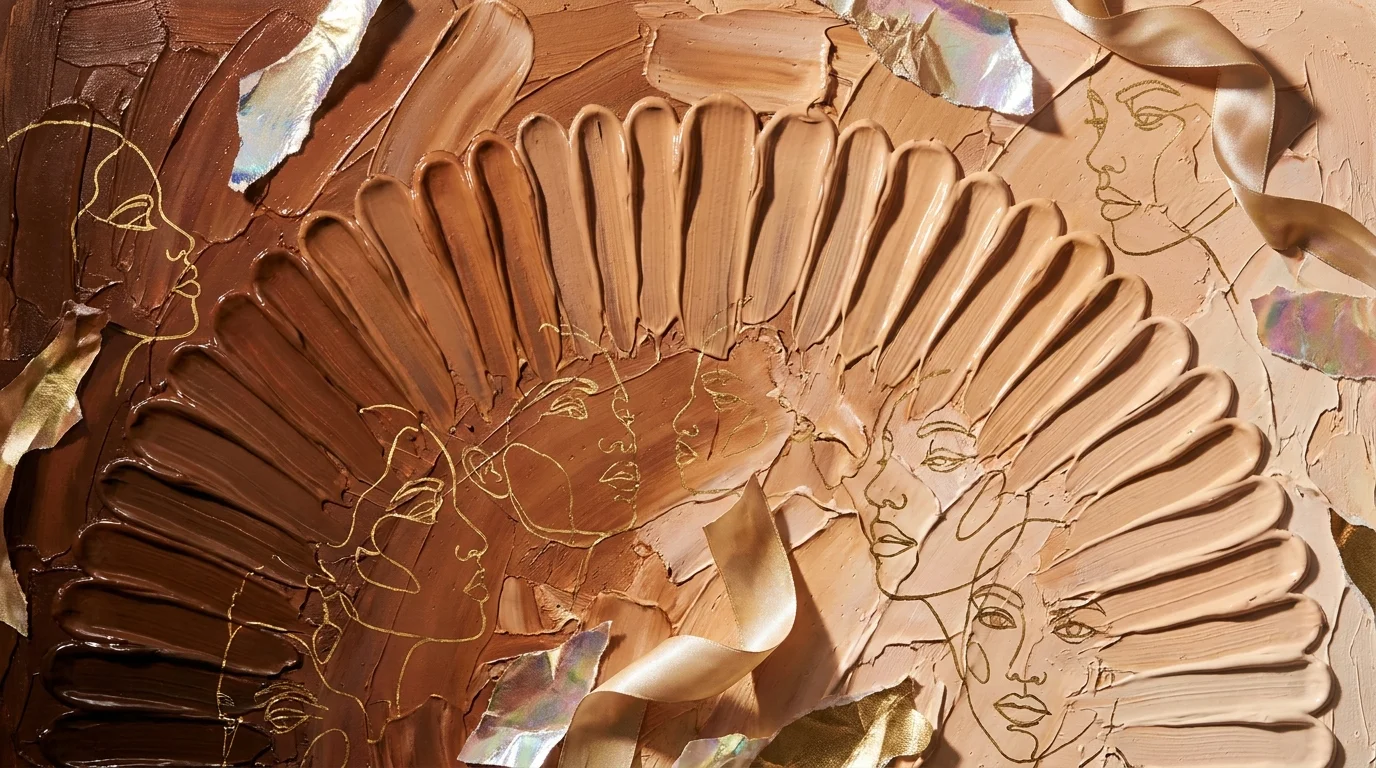
When Robyn Rihanna Fenty stepped into the cosmetics arena, she did not just launch a standard celebrity vanity project; she completely disrupted a stagnant industry. For decades, legacy beauty brands offered incredibly narrow foundation shade ranges, completely ignoring women with darker skin tones. Recognizing this massive void in the market, Rihanna spent years meticulously developing Fenty Beauty. The brand launched in 2017 with an unprecedented 40 shades of foundation, which later expanded to 50 shades, ensuring that everyone could find their perfect match. The consumer response was immediate, visceral, and overwhelming. Customers who had never been able to find their correct color match rushed to retail stores, leading the brand to generate $550 million in annual revenue during its first full year of operation. Forbes officially declared Rihanna a billionaire in 2021, noting that her 50 percent stake in Fenty Beauty drove the vast majority of her estimated $1.7 billion net worth. She fundamentally changed the baseline expectations for cosmetic companies worldwide.
Actionable takeaway: Pay close attention to the demographics that your competitors overlook. True inclusivity is not just a moral imperative; it is a brilliant business strategy. If you can provide a high-quality solution to an underserved community, you will earn fierce loyalty and build a customer base that will champion your brand for years.
Jessica Alba: Cleaning Up the Baby Aisle With Safer Ingredients
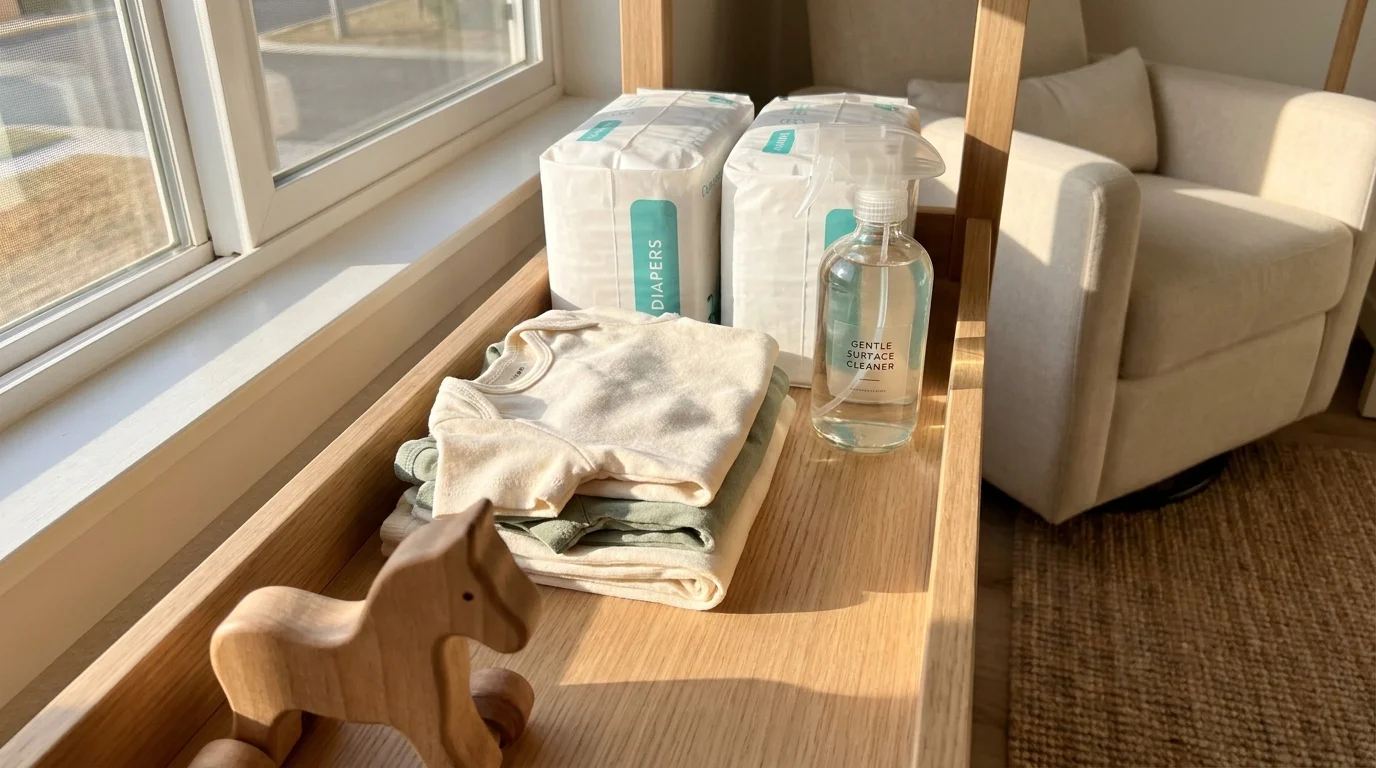
The primary inspiration for The Honest Company struck Jessica Alba during a highly vulnerable moment. Pregnant with her first child in 2008, Alba suffered an unexpected allergic reaction to a mainstream baby detergent. Frustrated by the total lack of safe, eco-friendly, and transparently labeled products on the market, she decided to create a brand that concerned parents could actually trust. Launched officially in 2012, The Honest Company began by selling clean diapers and wipes directly to consumers through a convenient monthly subscription model. The business quickly resonated with a new generation of mothers who demanded safer ingredients free from harsh petrochemicals, synthetic fragrances, and questionable additives. Despite facing typical corporate growing pains and intense market competition, Alba steadily steered the company toward a massive financial milestone. In 2021, The Honest Company went public on the Nasdaq, reaching a valuation of over $1.4 billion during its initial public offering, an achievement widely tracked by Business Insider.
Actionable takeaway: Lead with absolute transparency and a clear purpose. Modern consumers are highly educated and care deeply about the ingredients in the products they buy. Aligning your business with a meaningful mission—whether that involves environmental sustainability or health safety—gives you a distinct competitive advantage over older legacy brands.
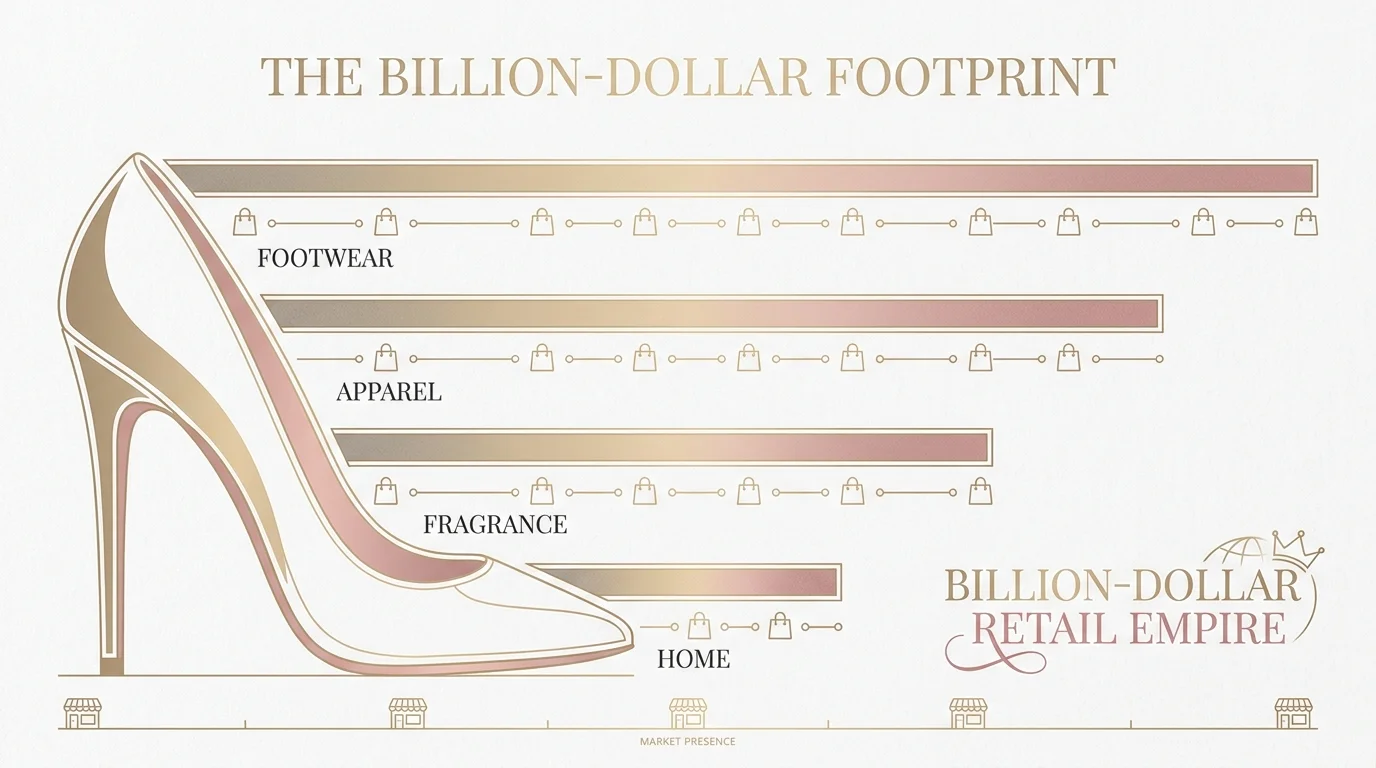
Jessica Simpson: Stepping Into a Billion-Dollar Retail Empire
While many pop stars launch brief, forgettable fashion collaborations, Jessica Simpson quietly built one of the most resilient retail juggernauts in the modern entertainment industry. In 2005, she partnered with seasoned footwear executive Vince Camuto to launch a modest shoe line. Instead of chasing high-fashion prestige or attempting to impress luxury critics in New York and Paris, Simpson designed accessible, flattering shoes for everyday women. The strategy worked phenomenally well. The Jessica Simpson Collection rapidly expanded into apparel, denim, handbags, and accessories, eventually crossing the astonishing milestone of $1 billion in annual retail sales by 2014. However, the entrepreneurial journey was not without major corporate hurdles. When the brand’s parent company, Sequential Brands Group, filed for bankruptcy in 2021, Simpson risked her own capital to buy her namesake company back for $65 million. Today, she operates the massive lifestyle brand with full creative and financial control.
Actionable takeaway: Know your actual customer and respect their budget. Simpson never tried to sell unattainable luxury. She understood that middle America wanted to feel stylish and confident at a highly affordable price point. You do not need to cater to the elite to build a staggering fortune; you just need to deliver consistent, relatable value to the masses.
The transition from entertainer to business mogul requires significantly more than just initial capital and widespread fame. These eight visionaries recognized early on that a recognizable face can only generate fleeting curiosity; it is the fundamental quality of the product that sustains a profitable business. Whether you are launching a humble kitchen newsletter, designing a safer baby wipe, or creating an inclusive makeup shade, the core principles of commercial success remain entirely identical. You must identify a genuine consumer problem, build authentic trust with your target audience, and maintain tight control over your hard-earned intellectual property. By aggressively adopting these practical strategies, you can transform your own modest passion project into a thriving, resilient enterprise.