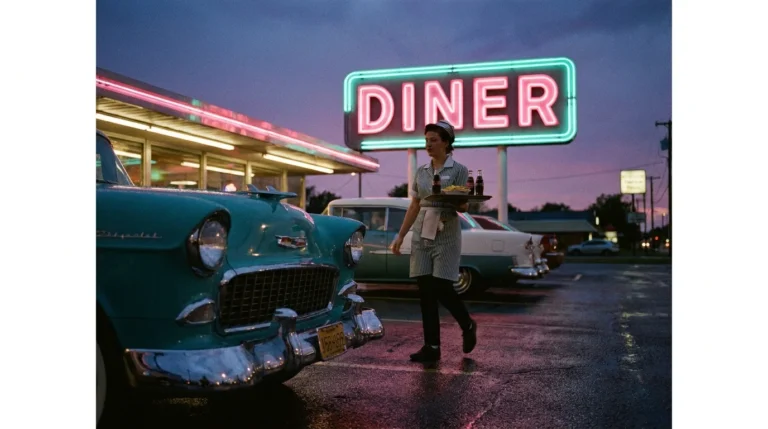
When global conflict ignited in the 1940s, Hollywood’s biggest names traded movie sets for battlefields. You might know them as silver screen legends, but their real-life heroics rival any script. These performers walked away from massive paychecks and secure lives to fly bombers, defuse landmines, and drive supply trucks under enemy fire. Their sacrifice offers you a grounded perspective on duty and resilience. If you face a seemingly impossible obstacle today, consider the grit these veterans demonstrated when the stakes were life and death. Discover the true stories of ten iconic actors who risked everything to serve during World War II, proving that true character extends far beyond the camera lens.
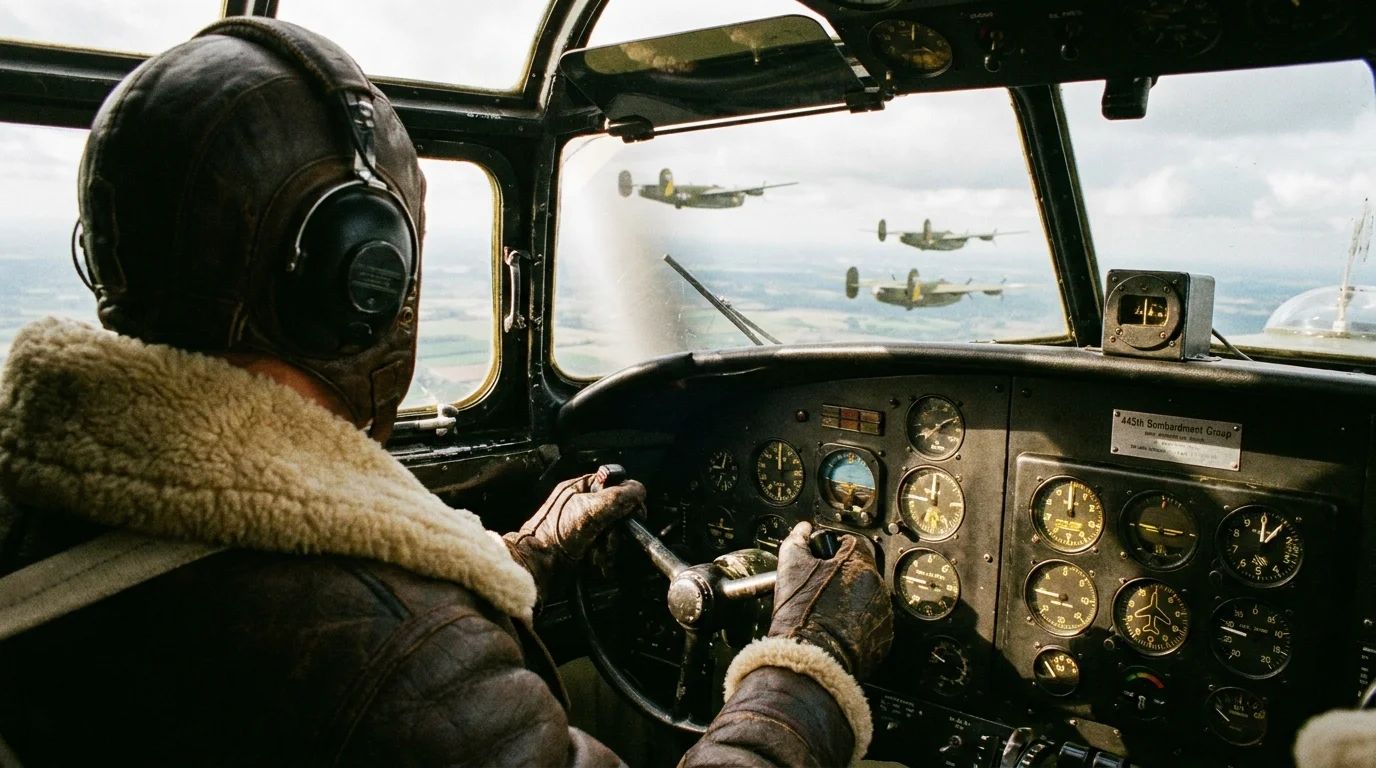
Jimmy Stewart: From Hollywood Royalty to Decorated Bomber Pilot
Before Pearl Harbor, Jimmy Stewart enlisted in the United States Army Air Corps in March 1941. The military initially attempted to leverage his massive celebrity by keeping him stateside to make training films. Stewart pushed back hard against this route, demanding a combat assignment where he could make a tangible difference. You can apply this mindset to your own career; when presented with an easy out, pushing for the difficult, meaningful path yields the greatest personal growth.
Stewart eventually transferred to the 445th Bombardment Group in England, piloting B-24 Liberator bombers deep into Nazi-occupied territory. He flew twenty official combat missions, leading dangerous bombing runs over cities like Brunswick and Bremen. His sharp leadership skills resulted in a rapid rise through the ranks. He entered the military as a private and concluded the war as a highly decorated colonel, earning two Distinguished Flying Crosses and the French Croix de Guerre. Stewart rarely spoke of his service later in life, viewing war as a somber duty rather than a glamorous adventure.
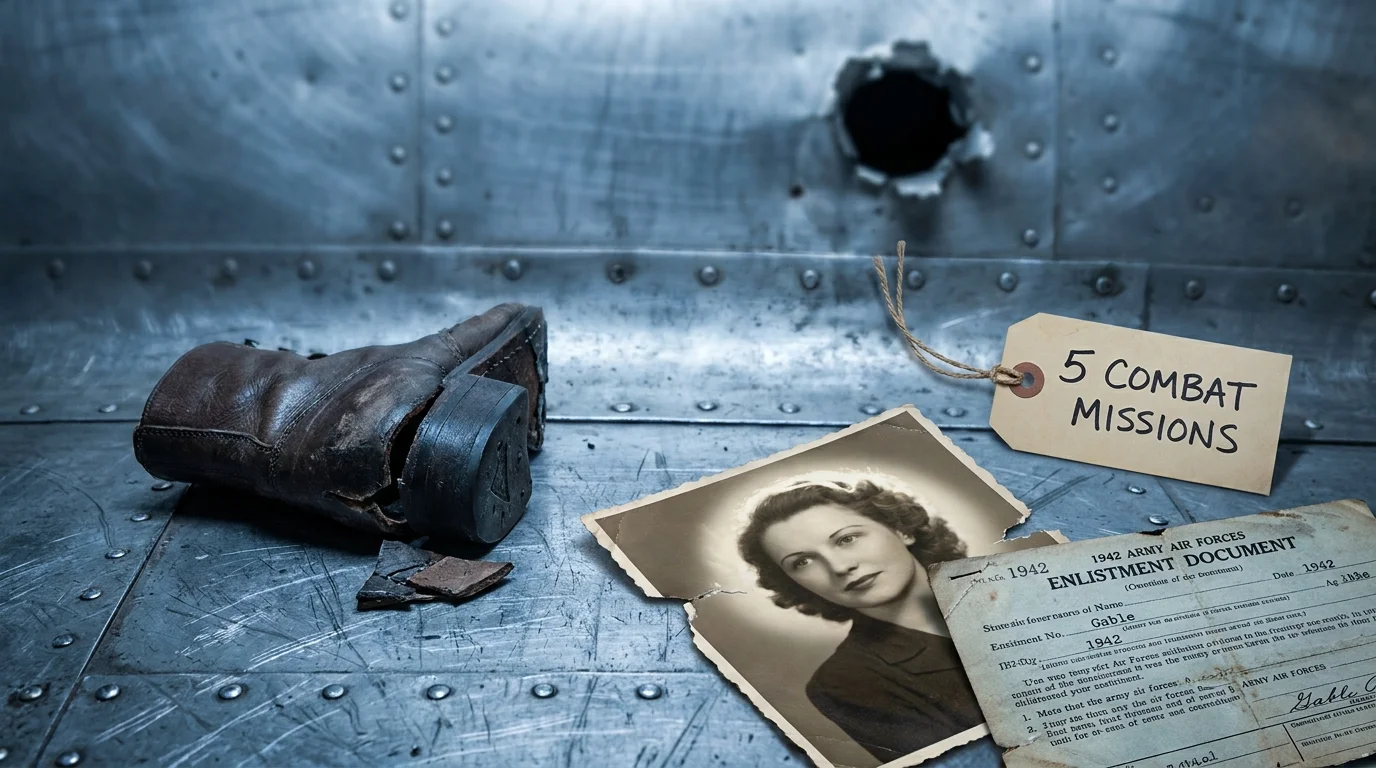
Clark Gable: Seeking Combat After Heartbreaking Personal Tragedy
When the United States entered the conflict, Clark Gable was arguably the most famous leading man in the world. A devastating personal tragedy altered his trajectory. In January 1942, his wife, actress Carole Lombard, died in a plane crash while returning from a war bond tour. Devastated, Gable abandoned his lucrative studio contract and enlisted in the Army Air Forces as a private at age forty-one. When you experience profound grief, finding a way to serve others can provide a vital lifeline.
Despite studio objections, Gable attended Officer Candidate School and volunteered for combat duty. He deployed to Britain to film propaganda material for aerial gunners, but he flatly refused to stay behind a desk. Gable flew five harrowing combat missions as an aerial photographer and gunner aboard B-17 Flying Fortresses. On one raid over Germany, a twenty-millimeter anti-aircraft shell pierced the floor of his plane, tore the heel off his boot, and narrowly missed his head. He returned to the United States holding the rank of major.
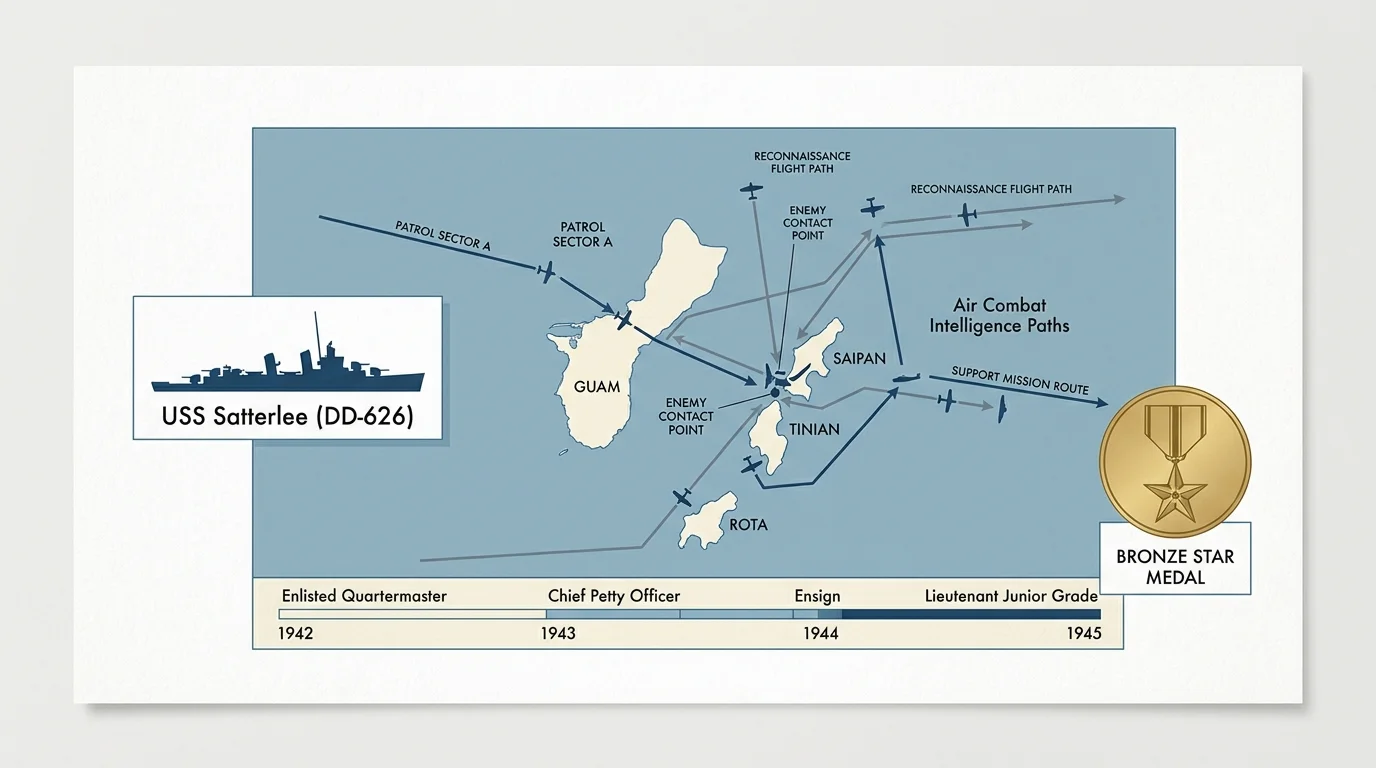
Henry Fonda: Abandoning the Studio Fake War for the Real Pacific
Henry Fonda enjoyed immense success in the early 1940s, fresh off an Academy Award nomination. Rather than rest on his laurels, Fonda enlisted in the United States Navy in August 1942. He stated that he did not want to portray a fake war in a studio while real men fought overseas. If you ever feel disconnected from the actual impact of your work, Fonda’s choice serves as a powerful reminder to step away from the sidelines and get your hands dirty.
At thirty-seven years old, Fonda initially served as an enlisted quartermaster on the destroyer USS Satterlee. He later applied for a commission and deployed to the Pacific Theater as a lieutenant junior grade in Air Combat Intelligence. Working out of the Marianas, Fonda helped plan and execute highly classified air operations that neutralized hostile Japanese installations. His tireless energy earned him the Bronze Star. Fonda left active service in 1945, quietly resuming his acting career with a deepened sense of gravity that translated into iconic cinematic roles.
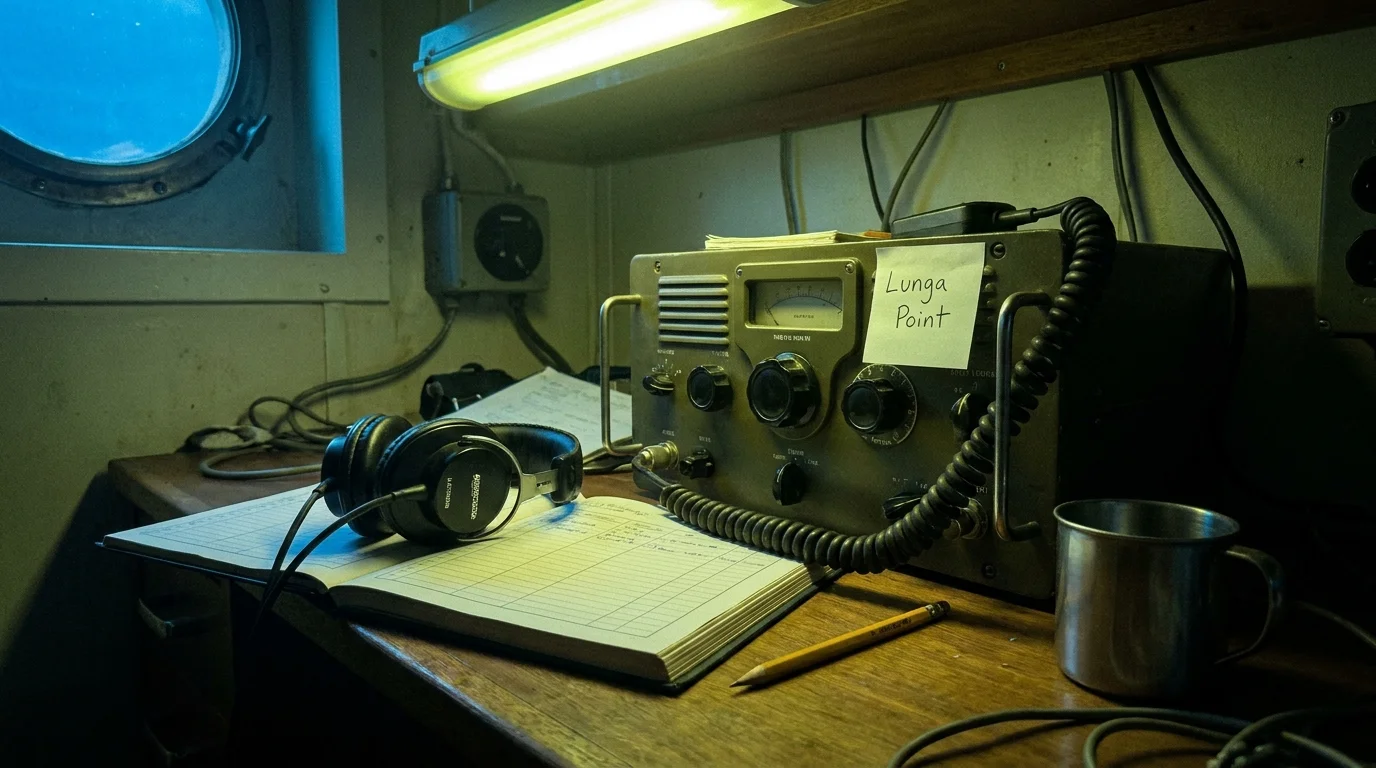
Paul Newman: Surviving by Chance in the Pacific Theater
Long before he became an icon of cool cinema, Paul Newman served his country in the United States Navy. Enlisting shortly before his eighteenth birthday in 1943, Newman hoped to fly planes. A medical exam revealed he was colorblind, which dashed his pilot aspirations. Instead of letting this setback defeat him, Newman adapted. When a door closes in your life, pivot quickly to find a new way to contribute, just as Newman did by retraining as an aviation radioman and rear-seat gunner.
Qualifying in torpedo bombers, Newman shipped out to Hawaii and joined a replacement squadron in the Pacific Theater. He operated from aircraft carriers, flying as a turret gunner in Avenger torpedo bombers. During the spring of 1945, his unit received orders to deploy aboard the aircraft carrier USS Bunker Hill near Okinawa. By pure chance, his pilot developed an ear infection, grounding Newman and the rest of their flight crew. Days later, a catastrophic kamikaze attack struck the Bunker Hill. Newman survived by a stroke of fate.

Mel Brooks: Deactivating German Land Mines Under Heavy Fire
If you know Mel Brooks for his comedic masterpieces, you might be surprised to learn about his military background. Drafted into the Army in 1944 at seventeen years old, Brooks soon found himself serving as a combat engineer with the 1104th Engineer Combat Group. He often joked that he hated both combat and engineering, yet he performed his duties flawlessly under stress. Humor can serve as a potent coping mechanism; keeping your wit sharp helps you survive high-stress environments.
Brooks deployed to Europe just in time for the brutal Battle of the Bulge. As a combat engineer, he operated ahead of the front lines to construct Bailey bridges and clear treacherous roads. His terrifying task involved sweeping for and defusing German land mines while dodging sniper fire. Despite the constant threat of death, Brooks maintained his comedic spirit. On one occasion, when German forces broadcasted propaganda over a loudspeaker, Brooks purportedly found his own bullhorn and belted out an Al Jolson song in response. He proved that resilience often pairs with a defiant smile.
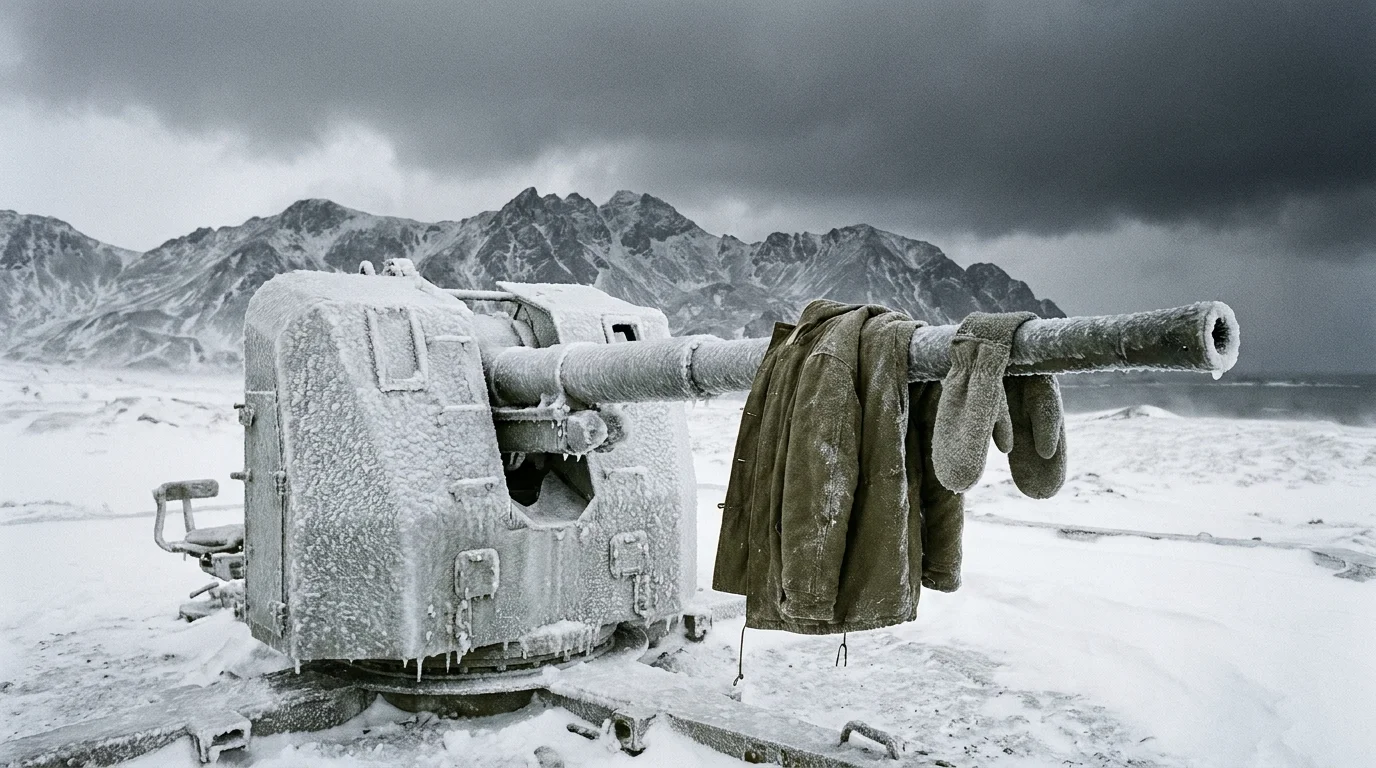
Charlton Heston: Manning the Guns in the Freezing Aleutian Islands
Before Charlton Heston commanded the screen in sweeping historical epics, he commanded the radio and guns of a B-25 Mitchell bomber. Heston dropped out of Northwestern University in 1944 to enlist in the United States Army Air Forces. He deployed to the freezing Aleutian Islands in Alaska, serving with the 77th Bombardment Squadron. The environment proved exceptionally hostile; aircrews battled sub-zero temperatures, heavy fog, and the constant threat of Japanese forces.
Heston’s time in the Aleutians highlights a crucial lesson about mental endurance. The grueling stretches of isolation punctuated by moments of sheer terror taught him how to focus his mind and master his anxieties. He achieved the rank of staff sergeant, diligently performing his duties until the war’s conclusion in 1945. Heston noted that he and his fellow airmen were slated to participate in the massive invasion of the Japanese mainland had the conflict continued. He returned to civilian life with a commanding physical presence and an unbreakable work ethic that defined his Hollywood career.
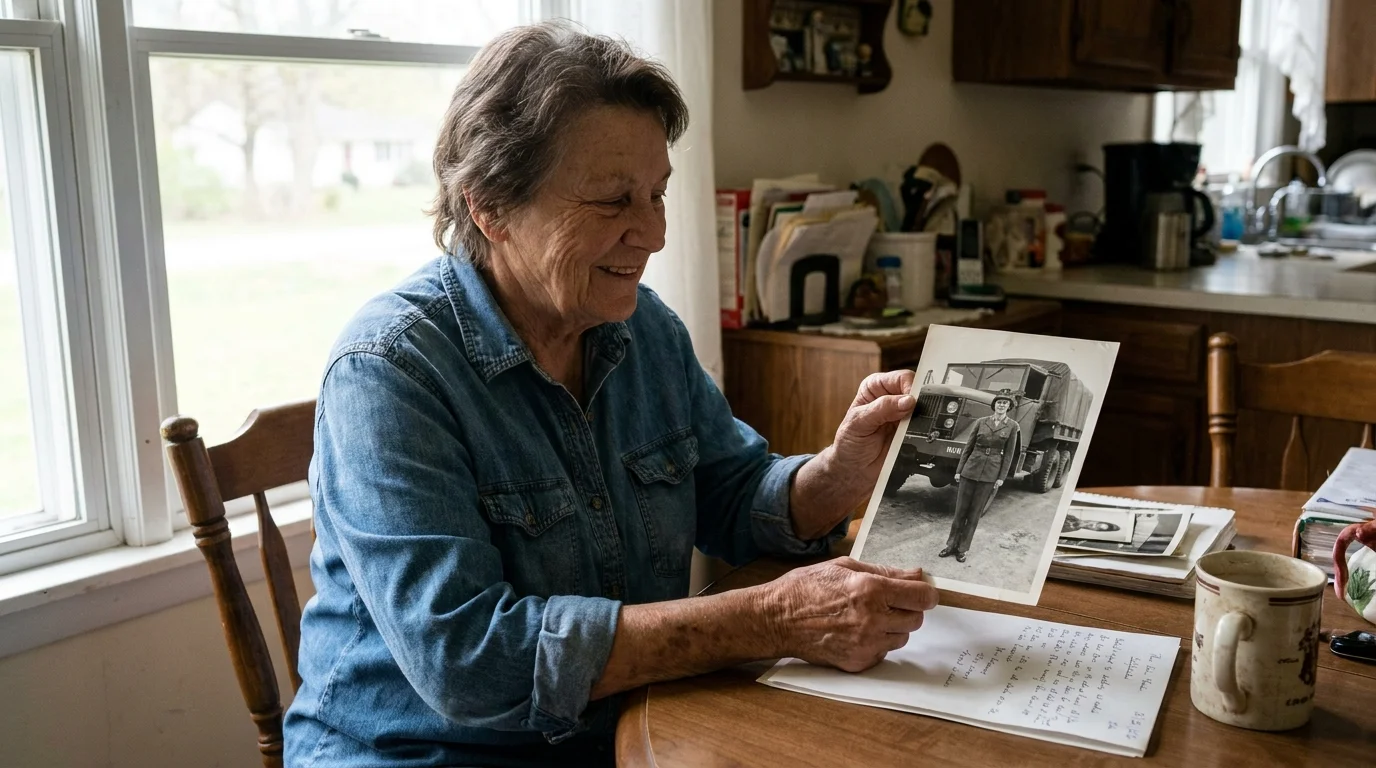
Bea Arthur: Driving Trucks and Dispatching as a Marine Corps Pioneer
You likely recognize Bea Arthur for her sharp-tongued brilliance on television classics like The Golden Girls. Decades prior, she broke major boundaries as one of the first women to enlist in the United States Marine Corps Women’s Reserve. Joining in February 1943, merely five days after the military opened the branch to female recruits, the twenty-year-old Arthur demonstrated remarkable initiative. Taking decisive action the exact moment an opportunity opens can set the course for your life.
Initially assigned to a desk job as a typist in Washington, Arthur craved active duty. She requested a transfer to the Motor Transport School in North Carolina, where she retrained as a heavy truck driver and dispatcher. Official military personality appraisals described her as highly argumentative and over-aggressive—traits that perfectly foreshadowed her outspoken television characters. Arthur honorably discharged as a staff sergeant in 1945. Her bold leap into the Marine Corps proved she possessed the fearlessness required to conquer the male-dominated entertainment industry.
Charles Bronson: Escaping the Coal Mines to Fly Against Japan
Charles Bronson grew up in crushing poverty in the coal-mining regions of Pennsylvania. Working in claustrophobic underground mines from the age of ten, Bronson seized the military draft in 1943 as a golden opportunity to escape a bleak future. He noted later in life that the military provided him with better food and living conditions than he had ever experienced. When your current environment stifles your growth, you must take calculated risks to break free.
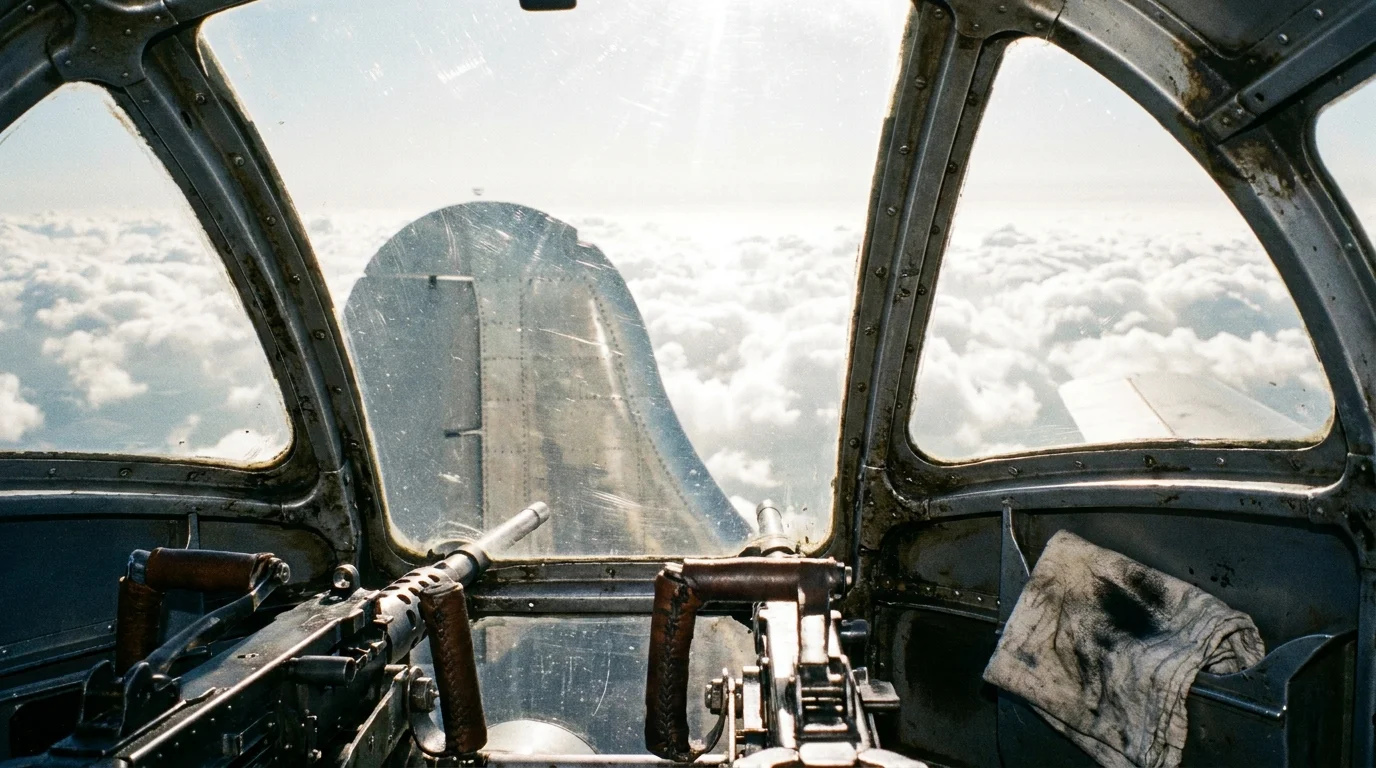
He enlisted in the Army Air Forces and transitioned to serving as an aerial gunner aboard a massive B-29 Superfortress. Attached to the 61st Bombardment Squadron in Guam, Bronson flew twenty-five perilous combat missions against the Japanese home islands. He sustained wounds to his arms during a combat engagement, earning the Purple Heart for his sacrifice. The intense pressure of the gunner turret forged his trademark steely demeanor. He utilized the GI Bill to study acting after the war, transforming his rugged military experiences into a highly successful career as cinema’s ultimate tough guy.
Lee Marvin: Shedding Blood on the Slopes of Mount Tapochau
Lee Marvin brought terrifying authenticity to his tough-guy roles, earning every bit of that grit on the actual battlefield. Dropping out of school at eighteen to join the United States Marine Corps in 1942, Marvin deployed to the Pacific Theater as a scout sniper with the 4th Marine Division. He participated in numerous amphibious assaults on fiercely defended Japanese-held islands. His willingness to confront the most dangerous tasks head-on teaches a valuable lesson about fully committing to your responsibilities.
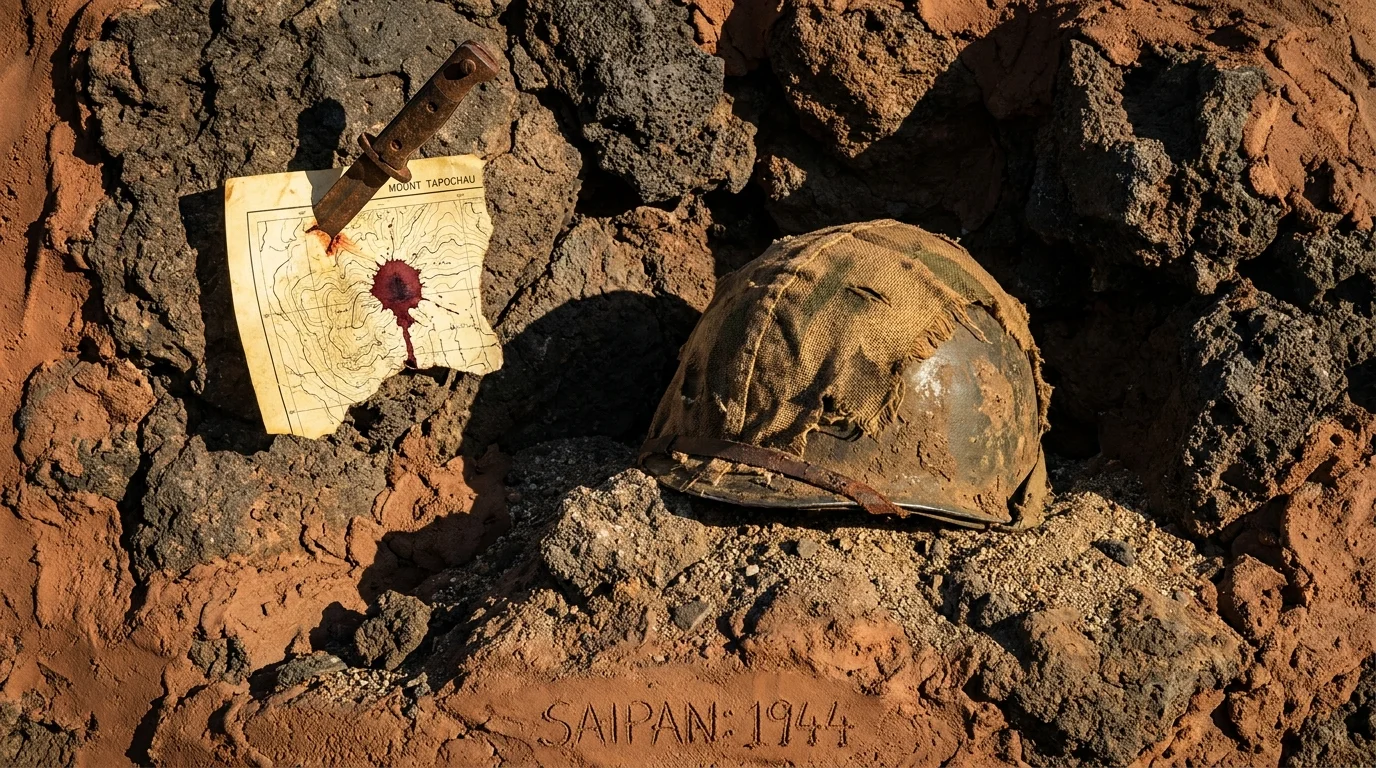
During the Battle of Saipan in June 1944, Marvin’s company took part in a fierce assault on Mount Tapochau. Enemy machine-gun fire decimated his unit. Marvin sustained devastating injuries when a bullet severed his sciatic nerve, and a sniper subsequently shot him in the foot. He barely survived, and the severe wounds required thirteen months of grueling rehabilitation. Marvin received a medical discharge and a Purple Heart. He later credited the sheer terror of combat with teaching him how to act, as he had to feign bravery to survive the Pacific.
Ernest Borgnine: Hunting Submarines Along the Perilous Atlantic Coast
Ernest Borgnine’s military career stands out because he enlisted in the United States Navy well before global hostilities broke out. Joining in 1935 right out of high school, Borgnine served a full tour and discharged in late 1941. Just weeks later, the Japanese attacked Pearl Harbor, and Borgnine immediately reenlisted to defend his country. His dedication illustrates the absolute power of unwavering loyalty; when your community faces a crisis, stepping up without hesitation defines true leadership.
During the war, Borgnine served aboard the USS Sylph, a converted patrol yacht assigned to the dangerous task of hunting German U-boats along the Atlantic Coast. As a gunner’s mate first class, he operated cutting-edge anti-submarine warfare equipment to protect vulnerable American merchant ships. Borgnine spent nearly a decade of his life in a Navy uniform, earning the Good Conduct Medal and the World War II Victory Medal. After returning home, he channeled the fierce discipline and camaraderie he learned at sea into an Academy Award-winning career, including his legendary television stint in McHale’s Navy.
The Enduring Legacy of Hollywood’s Greatest Generation
When you watch these actors on screen today, you see polished performers reciting carefully crafted lines. Yet, their true legacy lies in the muddy trenches, the freezing bomber turrets, and the treacherous oceans of the 1940s. They did not have stunt doubles when enemy flak tore through their aircraft, nor did they have a director to yell cut when the realities of combat became too much to bear. You can draw endless inspiration from their willingness to sacrifice personal glory for a greater cause. The next time you face a daunting challenge in your own life, remember the quiet resilience of these men and women. Their stories prove that true heroism requires no audience, only the courage to stand firm when the world needs you most.