Hollywood is built on illusions, and sometimes the biggest trick is the name glowing on the movie poster. You might think you know your favorite stars, but many of the most famous people on the planet abandoned their birth names before ever stepping onto a red carpet. Whether they were dodging nepotism accusations, cheating the system at local comedy clubs, or simply attempting to sound tougher while bouncing at a nightclub, these entertainers took their careers into their own hands by rewriting their identities. You will be surprised to learn how some of pop culture’s biggest icons adopted the legendary monikers you know today. Here are eight celebrities who secretly changed their names before fame found them.
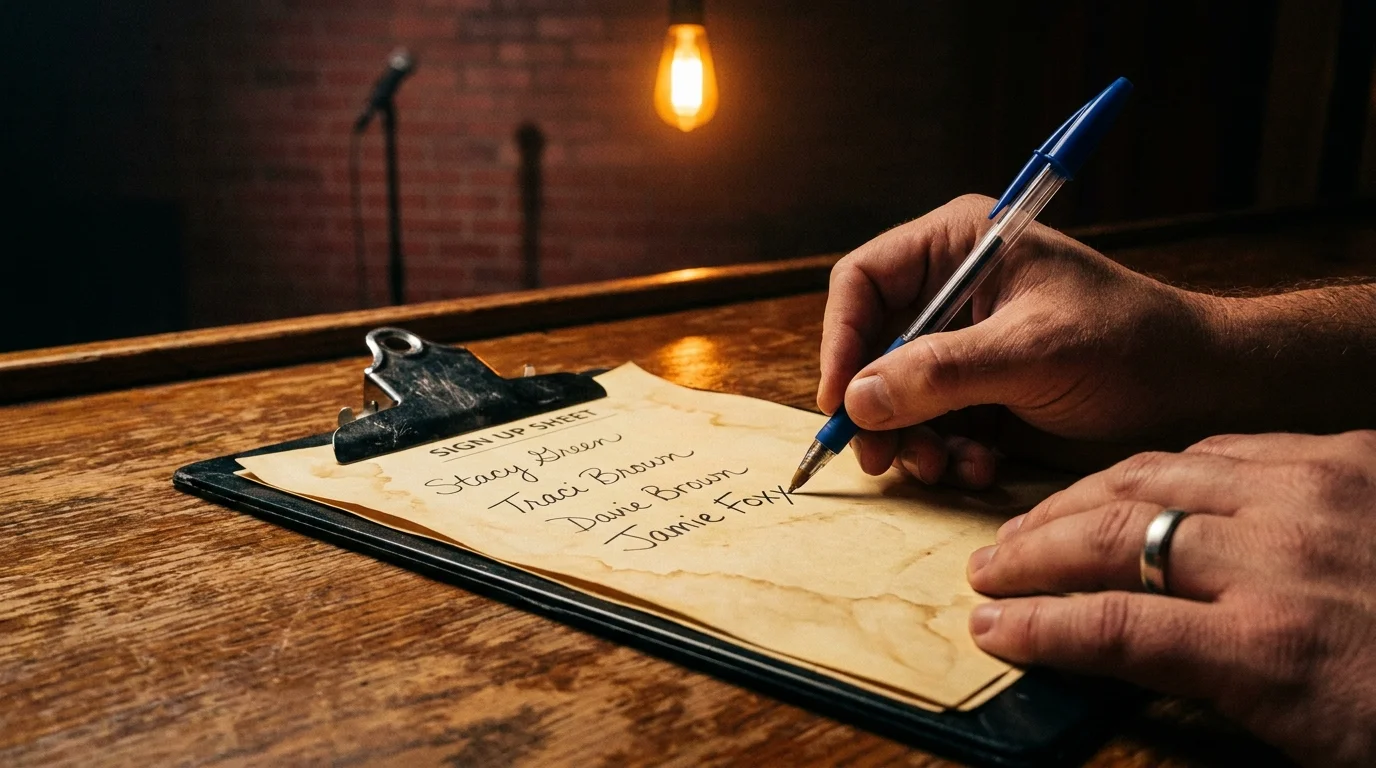
Jamie Foxx Was Once Eric Marlon Bishop
Before he won an Academy Award or headlined massive comedy tours, Jamie Foxx was known as Eric Marlon Bishop. When he first started performing stand-up comedy in 1989 in Terrell, Texas, and later Los Angeles, he faced a highly competitive open-mic circuit. You might not realize that comedy clubs typically placed women at the top of the performance list because female comics were so rare at the time. Bishop quickly noticed this trend and realized he needed a clever way to cheat the system. To secure prime stage time, he began writing androgynous names on the sign-up sheets—such as Stacy Green, Traci Brown, and ultimately, Jamie Foxx. The strategy worked perfectly; club managers called his name expecting a woman, only to be surprised when he walked on stage and delivered a standing-ovation-worthy set. He chose the surname Foxx as a direct tribute to his comedic idol, Redd Foxx, who incidentally also changed his name from John Elroy Sanford. The strategic pivot launched his career and helped him land a breakout spot on the hit sketch show In Living Color long before going viral was even a concept. Over the decades, he built the Jamie Foxx brand into a verified triple-threat powerhouse, securing a Grammy for his music and an Oscar for his portrayal of Ray Charles in Ray. If you are ever struggling to get noticed in a crowded industry, Foxx’s story proves that sometimes a simple, creative pivot is all you need to get your foot in the door.
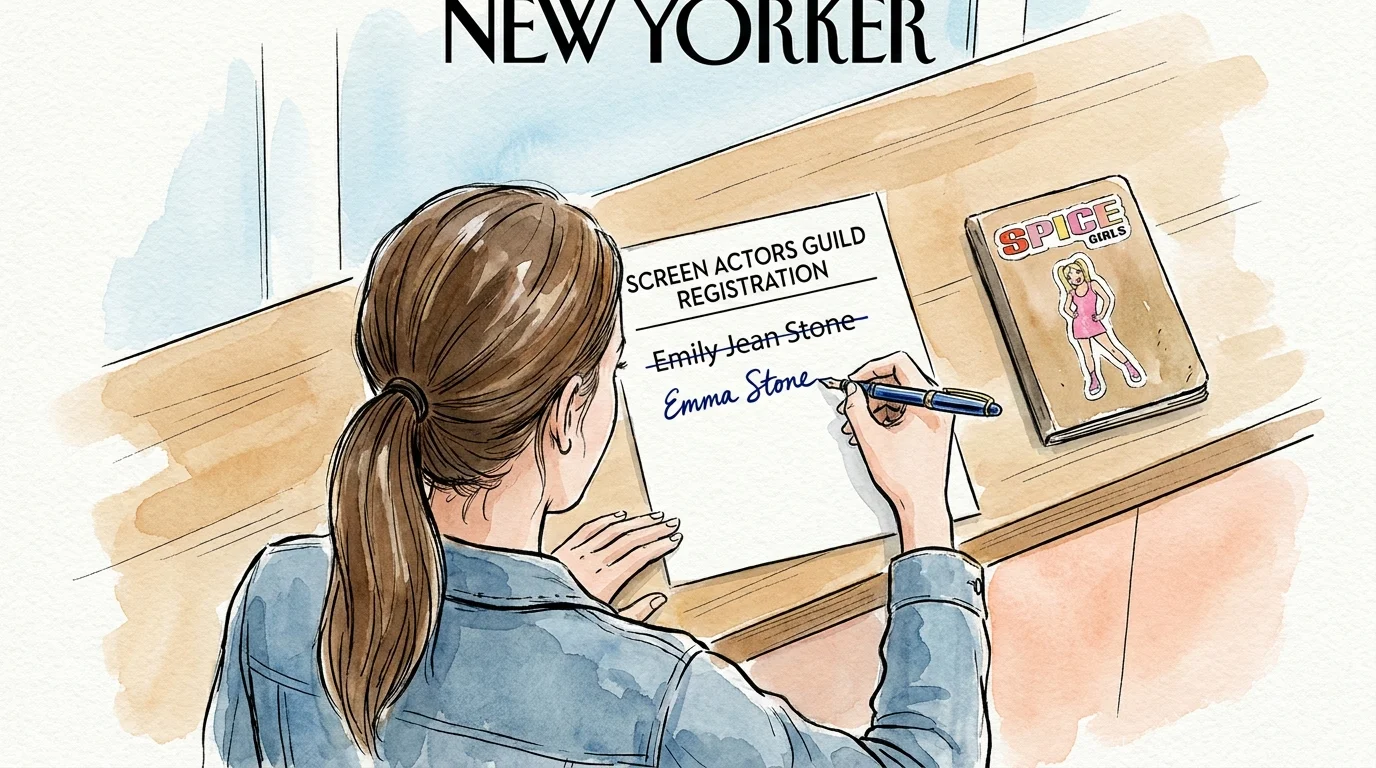
Emma Stone Was Forced to Drop Emily
Emma Stone is one of the most recognizable names in modern Hollywood, yet her actual birth name is Emily Jean Stone. Her name change was not a creative choice, but rather a strict logistical requirement. When she went to register for her Screen Actors Guild card at the age of 16, she discovered that the name Emily Stone was already claimed by another actress. The union rules strictly prohibit two performers from operating under the exact same professional name, so she was forced to pivot immediately. Initially, she decided to try out the name Riley Stone and operated under that moniker for roughly six months. However, the change caused immense confusion on the set of the hit television show Malcolm in the Middle; crew members kept shouting her new name, and she completely ignored them because she did not recognize her own alias. Realizing she needed something closer to her actual identity, she settled on Emma, a nod to her childhood idol, Emma Bunton of the Spice Girls. Despite her monumental success, which includes multiple Academy Awards for Best Actress, she still prefers her birth name. In a recent interview with the Los Angeles Times, she admitted that close friends and colleagues on set exclusively call her Emily, and she would love it if fans did the same. This celebrity fact highlights how even global superstars sometimes long for the simplicity of their original roots.
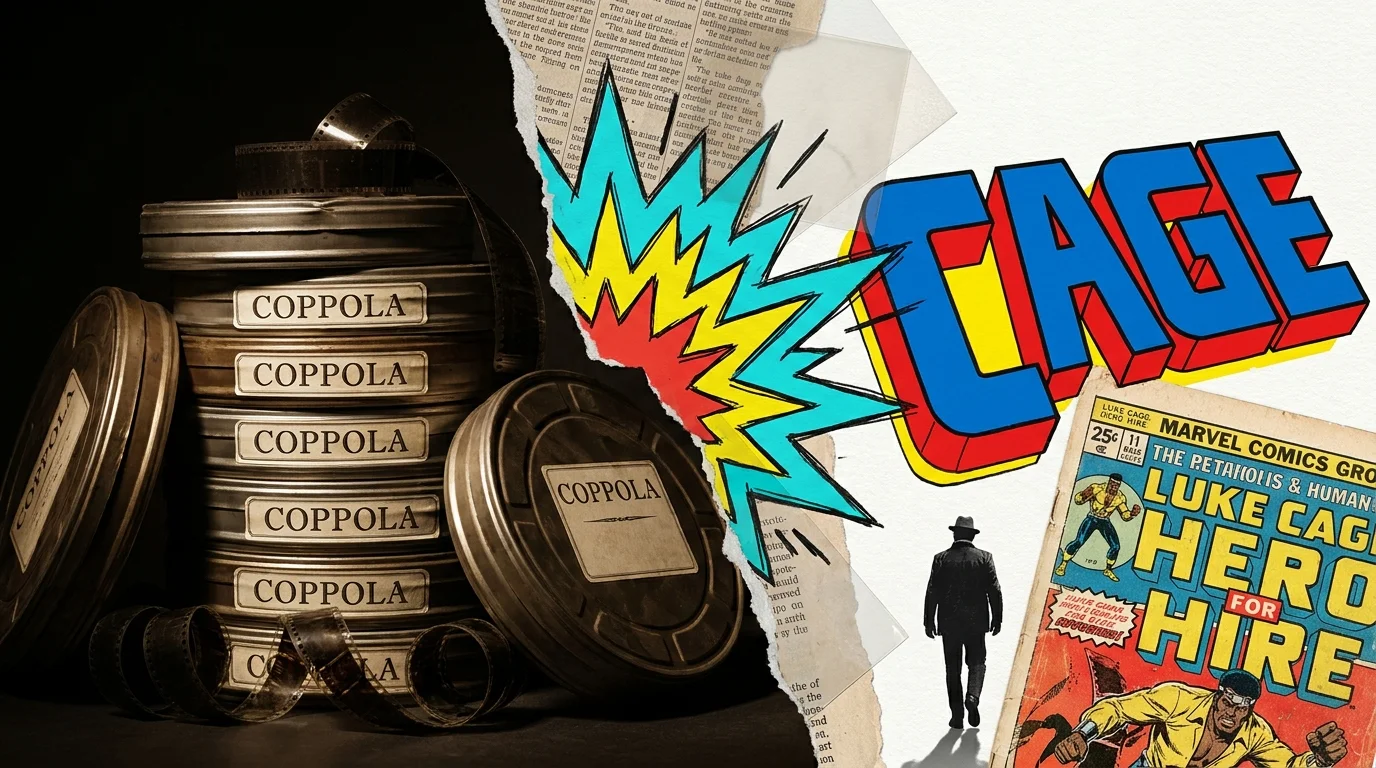
Nicolas Cage Escaped the Coppola Shadow
Nicolas Cage belongs to one of the most prestigious families in cinema history, but you would never know it by looking at his name. Born Nicolas Kim Coppola, he is the nephew of legendary filmmaker Francis Ford Coppola. When he first entered the acting world, he proudly used his given name and landed a minor role in the classic 1982 teen comedy Fast Times at Ridgemont High. Unfortunately, his famous surname quickly became a burden. His castmates relentlessly teased him by quoting his uncle’s epic war film Apocalypse Now, playfully telling him that they loved the smell of Nicolas in the morning. To avoid accusations of nepotism and force casting directors to judge him solely on his talent, he decided to completely reinvent his professional identity. He pulled inspiration from two radically different sources: Marvel Comics superhero Luke Cage and avant-garde composer John Cage. Changing his name gave him the psychological freedom to step out of his family’s massive shadow and carve his own eccentric path. He went on to star in cult classics like Vampire’s Kiss and blockbuster hits like Face/Off and National Treasure. By the time he won an Academy Award for Leaving Las Vegas, he had fully proven that his success was built entirely on his own merit. Your family name might open doors, but as Cage demonstrates, true longevity requires you to build your own distinct identity.
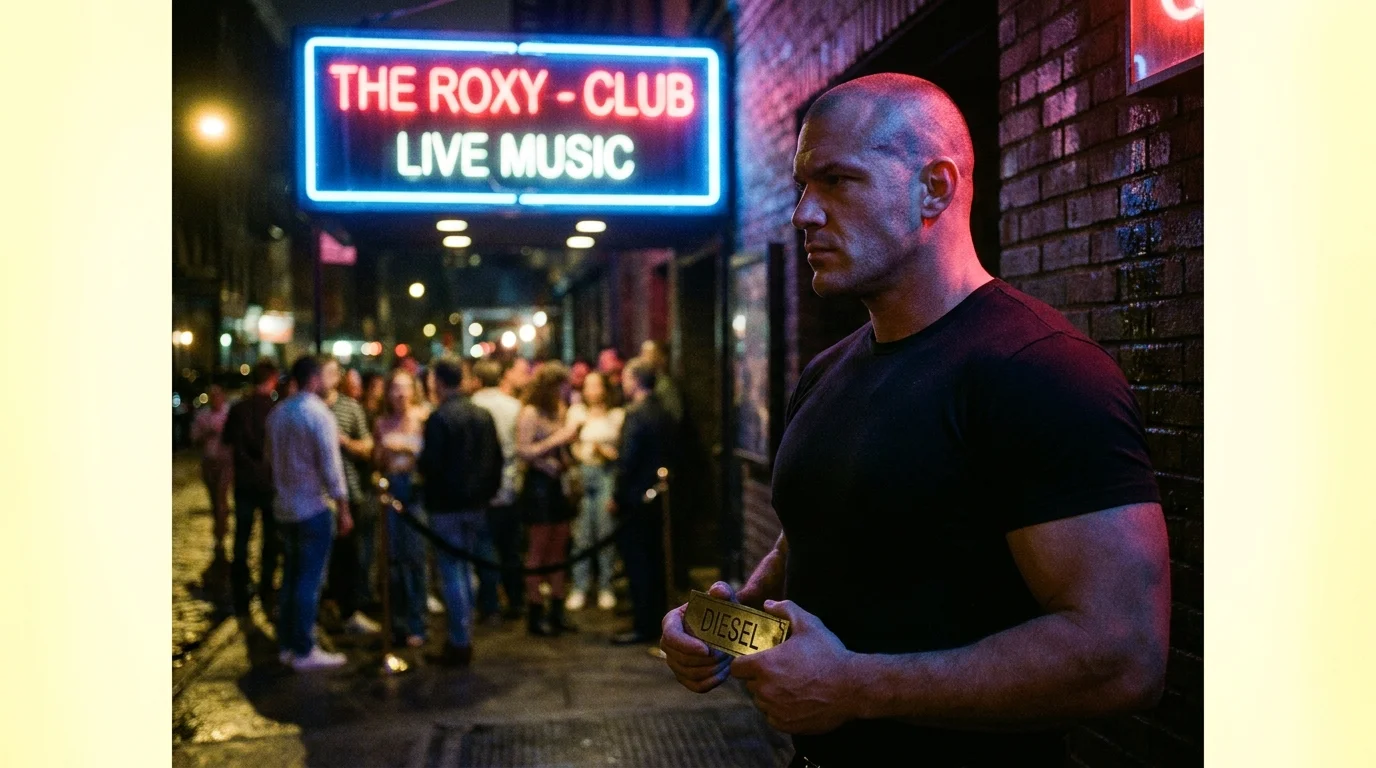
Vin Diesel Needed a Tougher Bouncer Alias
Before he was driving muscle cars out of airplanes as Dominic Toretto, Vin Diesel was a struggling young actor named Mark Sinclair. During the late 1980s and early 1990s, he supplemented his income by working as a bouncer at the Tunnel, a notoriously rough and rowdy nightclub in New York City. Working the door at a massive Manhattan club required an intimidating persona, and Mark Sinclair simply did not sound tough enough to command respect from unruly patrons. To protect his true identity and project a harder image, he adopted a classic tough-guy pseudonym. The Vin is a shortened version of his adoptive father’s surname, Vincent. The Diesel portion came directly from his nightclub friends and coworkers, who joked that he ran on diesel fuel because he possessed boundless, non-stop energy. The moniker stuck perfectly, and when he eventually broke into the entertainment industry with his self-directed short film Multi-Facial and later Steven Spielberg’s Saving Private Ryan, he kept the bouncer alias. As detailed by The Washington Post, he eventually parlayed that tough-guy persona into the multibillion-dollar Fast and Furious franchise. If you want to establish a strong personal brand, Diesel’s journey highlights the massive power of adopting a name that perfectly matches the energy and authority you want to project to the world.

Miley Cyrus Left Destiny Hope Behind
Miley Cyrus has experienced countless artistic reinventions, but her very first transformation happened before her career even truly began. She was born Destiny Hope Cyrus, a grand name chosen by her parents, country star Billy Ray Cyrus and Tish Cyrus, because they firmly believed it was her destiny to bring hope to the world. While the sentiment was beautiful, her family rarely used her legal name. As an infant, she possessed such a cheerful demeanor that her parents gave her the nickname Smiley. Over time, the nickname naturally evolved and shortened into just Miley. When she auditioned for a massive Disney Channel television series at age thirteen, the network actually adjusted her character’s name to Miley Stewart to match her real-life nickname. By 2008, at the height of her teen idol fame, she decided to make the switch official and legally changed her name to Miley Ray Cyrus, honoring her grandfather, Ronald Ray Cyrus. If you love celebrity facts, the name Destiny Hope remains an incredible piece of pop culture trivia, but the shift to Miley gave her a snappy, memorable brand. She eventually transitioned from a Disney darling into a rock-infused pop powerhouse, securing multiple Grammy Awards for her hit single Flowers. You can shape your own destiny, but a memorable name certainly makes the journey easier.

Calvin Harris Thought Adam Wiles Sounded Too Ordinary
You likely know Calvin Harris as the powerhouse DJ responsible for massive summer anthems and record-breaking collaborations with artists like Rihanna and Dua Lipa. However, the Scottish producer’s legal name is Adam Richard Wiles. Unlike many artists who change their names for family or union reasons, Wiles made a highly calculated, and somewhat controversial, business decision when he launched his music career in 2006. His debut single, Acceptable in the 80s, possessed a heavy soul influence, and he believed his birth name sounded too ordinary for the genre. In a 2009 interview, he admitted that he chose the stage name Calvin Harris specifically because he thought it sounded racially ambiguous, hoping people might not immediately know his background before hearing his music. The alias obviously worked, helping him become one of the highest-paid DJs in the world. However, the producer has since expressed regret over the decision. He openly despises being called Calvin in his personal life, comparing it to being called a cartoon character like Mr. Blobby. During his high-profile relationship with Taylor Swift, she famously thanked Adam during an award show, momentarily confusing fans who did not know his real name. He even launched a secondary music project under the alias Love Regenerator just to distance himself from the Calvin Harris moniker.
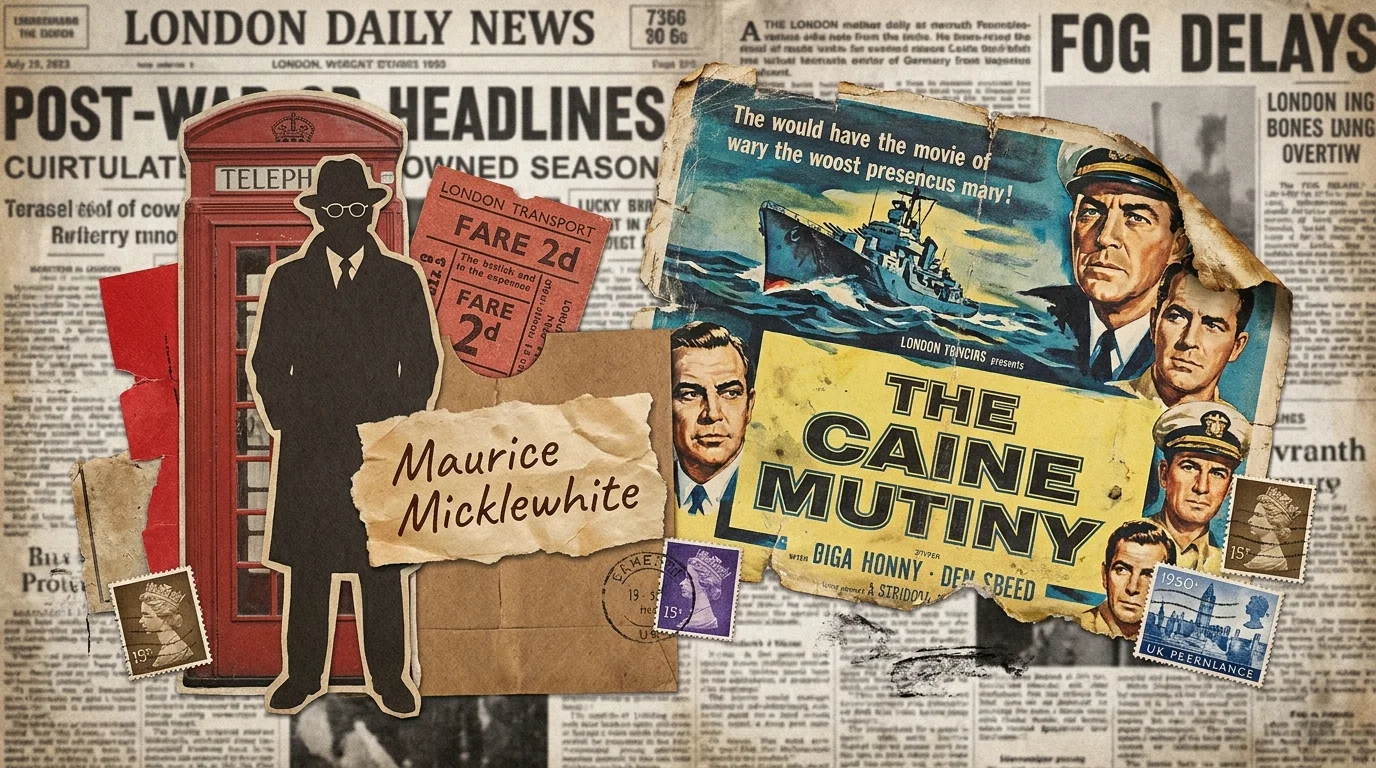
Michael Caine Took Inspiration from a Movie Poster
Sir Michael Caine is a British cultural icon with a highly distinctive voice, but for the first two decades of his life, he was simply Maurice Joseph Micklewhite. When he began his stage acting career in Sussex, he briefly adopted the name Michael White. However, upon moving to London to expand his career, his agent informed him that another actor was already using that exact name, forcing an immediate change. Standing in a telephone booth in London’s Leicester Square in 1954, he frantically scanned the surrounding buildings for inspiration. He spotted a movie theater poster advertising the Humphrey Bogart drama The Caine Mutiny and instantly decided on Michael Caine. He later joked that if he had looked the other way, he might have been known as Michael Mutiny. For decades, he kept his birth name on his legal documents, but the rise of stringent airport security eventually forced his hand. As reported by TIME, security guards would recognize the famous actor but grow incredibly suspicious when he handed them a passport reading Maurice Micklewhite. To avoid spending hours in airport detention trying to prove his identity, he finally changed his name legally in 2016. His massive success spanning eight decades, from Alfie to Christopher Nolan’s The Dark Knight trilogy, proves that inspiration can strike from something as simple as a poster.
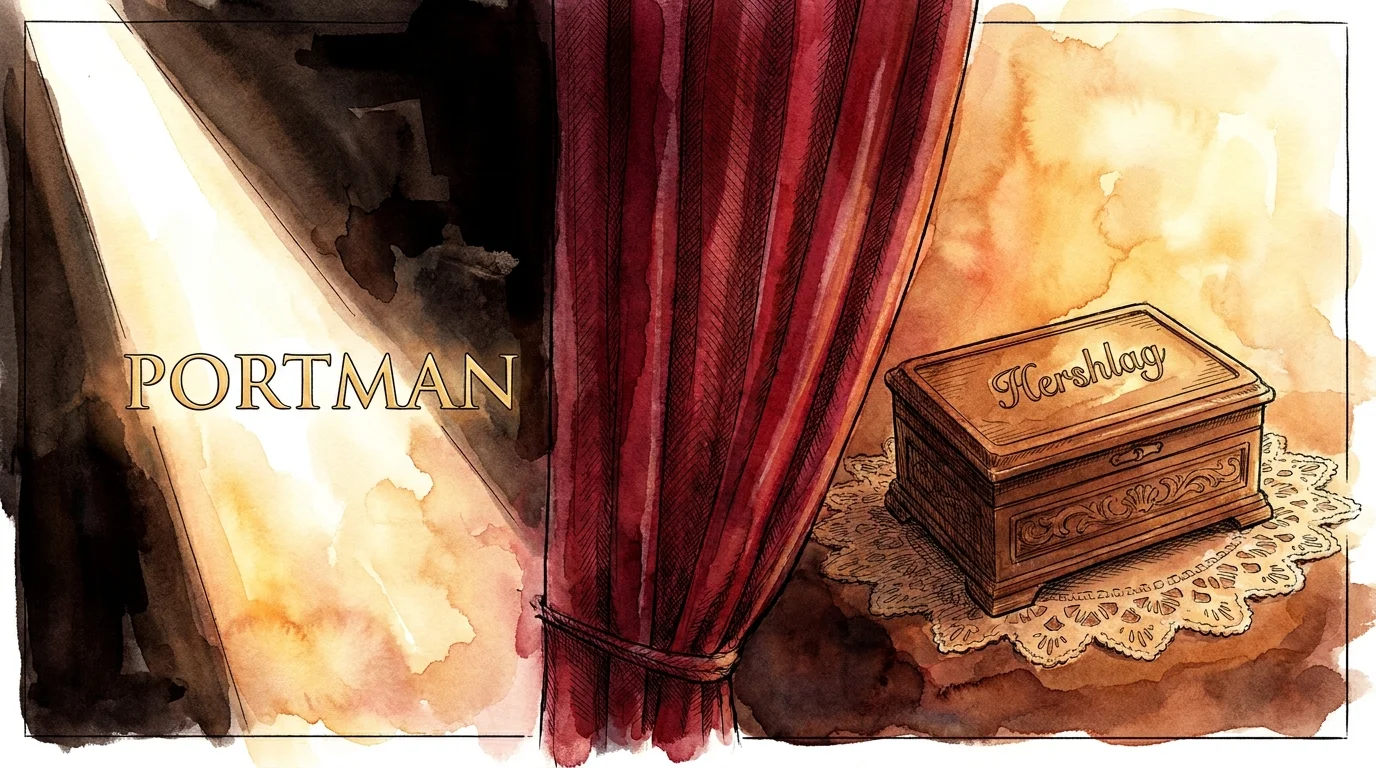
Natalie Portman Wanted to Protect Her Privacy
Natalie Portman has captivated audiences since she was a preteen, but her journey into the spotlight required strict personal boundaries. Born Neta-Lee Hershlag in Jerusalem, Israel, she moved to the United States with her family when she was three years old. When she landed her spectacular breakout role as a child assassin’s protégé in the 1994 thriller Léon: The Professional, she realized the immediate need to separate her public persona from her private life. To protect her privacy and shield her family from unwanted media attention, she adopted her paternal grandmother’s maiden name, Portman. The separation allowed her to attend school with a sense of normalcy. In a recent profile for Vanity Fair, she revealed that she would actually get upset if classmates called her Natalie Portman, firmly reminding them that she was Natalie Hershlag in her everyday life. The dual identity strategy allowed her to graduate from high school and later attend Harvard University without the crushing weight of her Hollywood brand following her into the classroom. She later integrated both identities as she grew older and became a mother, but that early boundary allowed her to survive child stardom unscathed. Her story is a brilliant example of how creating a clear dividing line between your professional work and your private life can help you maintain your sanity.
The stories behind these iconic names prove that success in the entertainment industry requires far more than just raw talent; it requires a deep understanding of branding and personal identity. Whether forced by union regulations, driven by a desire for privacy, or sparked by a desperate need to stand out in a crowded room, these celebrities recognized the power of a great name. You might not need to invent a glamorous alias for your everyday life, but you can certainly learn from their ingenuity. Controlling how the world sees you is the first vital step toward achieving your goals. Sometimes, a fresh introduction is exactly what you need to rewrite your own story and command the respect you deserve.