Uncovering long-buried truths about your relatives often shifts your entire perspective on who you are and where you come from. As you grow older, the protective filters your parents placed over complex family dynamics begin to fade, revealing startling realities that reshape your closest relationships. Psychologists note that sweeping major issues under the rug is a universal coping mechanism across generations; however, these suppressed narratives rarely stay hidden forever. Whether dealing with undisclosed siblings, obscured medical histories, or hidden financial disasters, processing newfound truths requires immense emotional resilience and clear boundaries. Navigating these late-in-life revelations helps you heal inherited wounds, understand your psychological makeup, and forge a more authentic path forward without the heavy weight of generational deception.
1. The Truth About Hidden Parentage and Secret Adoptions
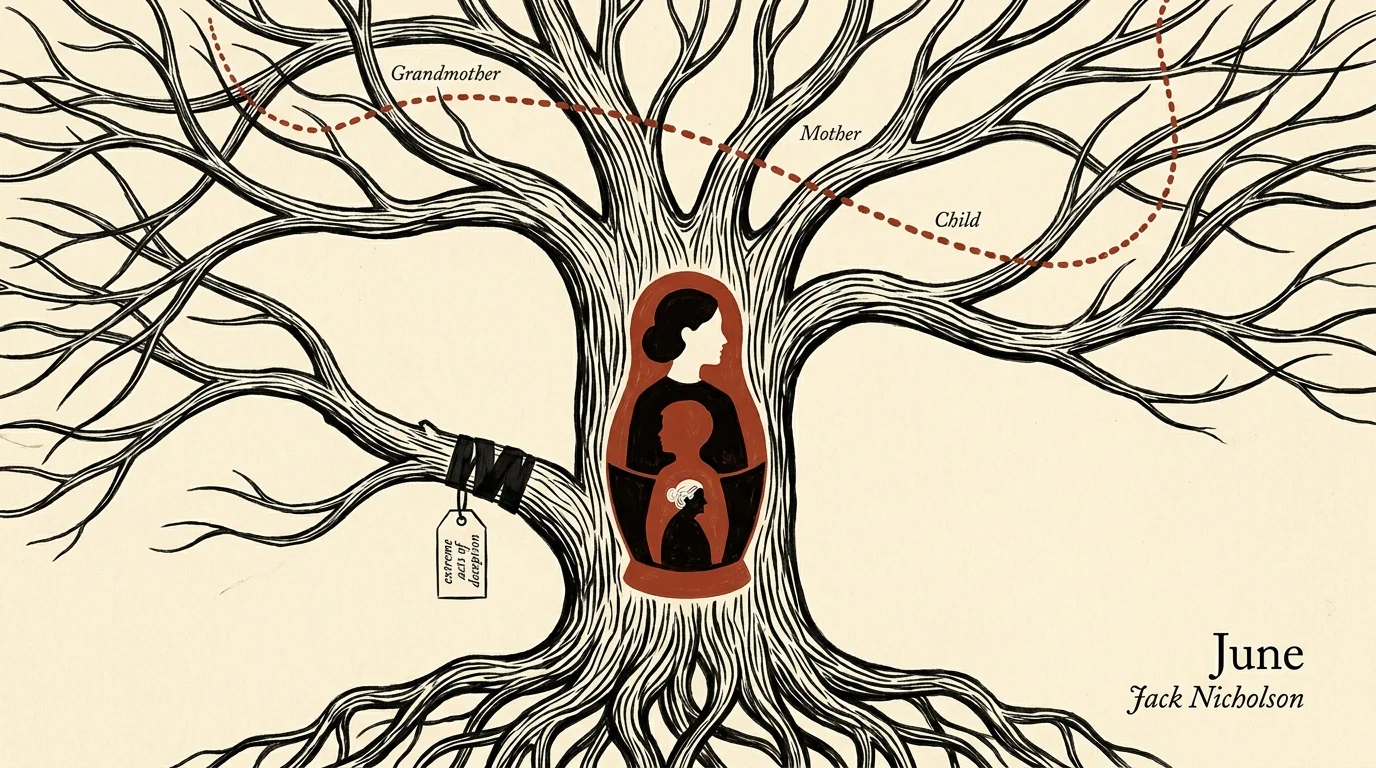
Finding out that the people who raised you are not your biological parents completely shatters your foundational understanding of your identity. In earlier decades, severe societal stigmas surrounding unwed pregnancies forced many families into extreme acts of deception. Grandparents frequently claimed their teenage daughter’s baby as their own, raising biological mother and child as siblings to protect the family reputation.
Hollywood icon Jack Nicholson experienced this exact revelation at the height of his career. In 1974, researchers compiling a cover story for Time magazine uncovered glaring inconsistencies in his background. At 37 years old, Nicholson learned that the woman he grew up believing was his older sister, June, was actually his biological mother. The woman he called his mother was, in fact, his grandmother. Similarly, actress Liv Tyler grew up believing musician Todd Rundgren was her biological father because he signed her birth certificate to protect her from the chaotic lifestyle of Aerosmith frontman Steven Tyler. It was not until she attended a concert at age 11 and noticed her uncanny resemblance to Steven’s other daughter, Mia, that the truth finally emerged.
If you uncover a profound adoption or paternity secret, you must give yourself permission to grieve your former identity. Secure a therapist who specializes in adoption trauma to help you navigate the complex emotions of betrayal and confusion. Approach the older family members involved with genuine curiosity rather than immediate rage; understanding the crushing societal pressures they faced during that era often helps contextualize their deception and paves the way for eventual forgiveness.

2. The Sudden Appearance of Unknown Half-Siblings
The explosion of direct-to-consumer genetic testing services has fundamentally disrupted modern family dynamics. Secrets that parents confidently took to their graves are now routinely exposed by a simple mail-in saliva swab. Consequently, thousands of adults receive unexpected notifications matching them with half-siblings they never knew existed.
Media mogul Oprah Winfrey experienced this emotional shockwave firsthand. In 2010, she introduced the world to a half-sister named Patricia. Vernita Lee, Winfrey’s mother, had placed Patricia for adoption in 1963 and kept the pregnancy a total secret from her famous daughter. Patricia spent years investigating her adoption records before finally connecting the dots. Because Patricia chose to handle the revelation privately rather than selling her story to the tabloids, the two women successfully built a meaningful relationship based on mutual respect.
When a previously unknown sibling enters your life, you face a deeply complicated emotional landscape. You should never feel obligated to forge an immediate, intimate bond just because you share genetic material. Establish a slow, deliberate pace for communication. Set clear boundaries regarding family events, social media exposure, and financial expectations. Take the time to exchange medical histories, which offer immediate practical benefits regardless of whether a deep emotional relationship blossoms. Remember that you are merging two entirely different lived experiences; building genuine trust requires years of consistent, low-pressure interaction rather than forced intimacy.
3. The Dark Reality Behind Fabricated Family Lineage
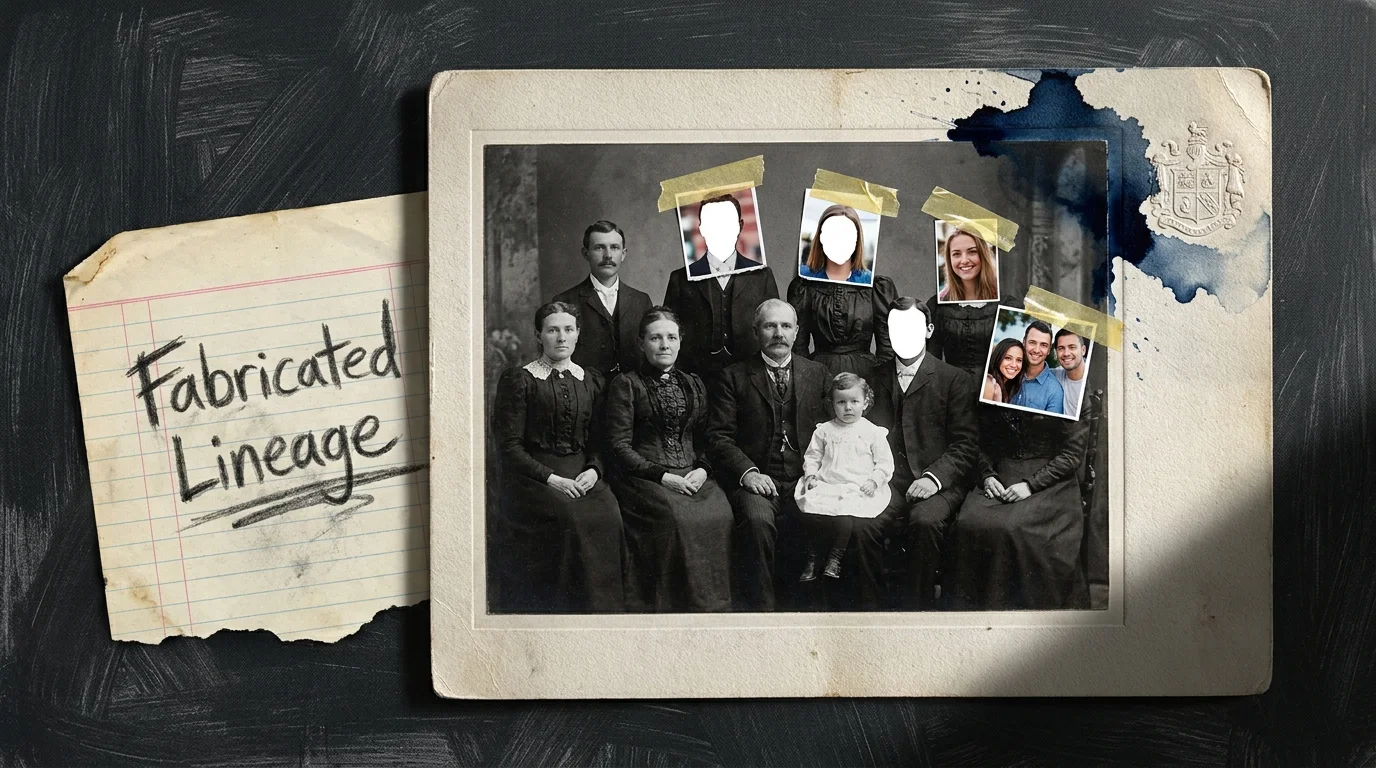
Families frequently sanitize their ancestral history to project an image of pristine respectability. You might grow up hearing romanticized tales of noble ancestors or courageous pioneers, only to discover a much darker reality hidden in historical archives. Generational guilt often drives grandparents to bury records of criminality, exploitation, or bigotry.
Actor Edward Norton confronted this exact scenario on the PBS genealogical series Finding Your Roots. Researchers presented Norton with undeniable census data proving his ancestors owned a family of slaves. He openly stated that reading the historical records made him want to die, acknowledging the profound discomfort of his family’s legacy. Similarly, the celebrated aviator Charles Lindbergh maintained an immaculate public persona in the United States while secretly fathering seven children across three different German families. His European children only confirmed their parentage through genetic analysis in 2003, decades after his death.
Reconciling your personal identity with the abhorrent actions of your ancestors demands rigorous honesty. Use census data, historical societies, and genealogical archives to verify the stories your grandparents told you. If you uncover a legacy of exploitation or deceit, do not bury the information. Acknowledge the historical truth openly with your own children. While you bear no personal guilt for the actions of deceased relatives, you do hold a profound responsibility to learn from their transgressions and actively break the cycle of generational denial.
4. Covered-Up Mental Health and Addiction Battles
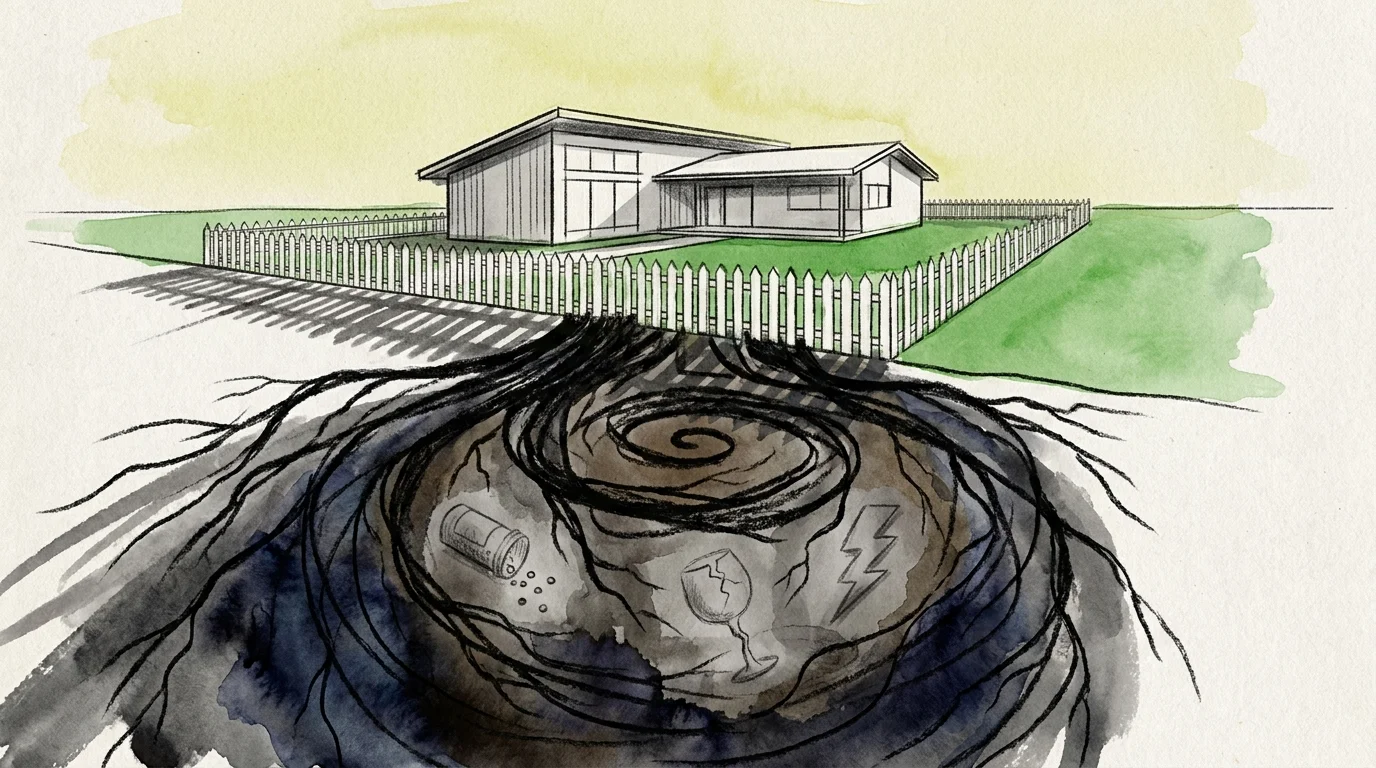
Generations past possessed a completely different, heavily stigmatized vocabulary for psychological distress. Relatives suffering from severe clinical depression were often described as dealing with “exhaustion,” while rampant alcoholism was dismissed as an eccentric “wild phase.” Families routinely constructed elaborate facades to shield their social standing from the intense judgment surrounding mental health facilities and addiction treatment.
In the entertainment industry, publicists perfected this art of deflection, frequently masking a star’s serious rehab stint as a retreat for “dehydration.” This same instinct for self-preservation exists in everyday households. Parents will completely erase a relative’s suicide from the family narrative, reclassifying it as a sudden heart attack. Consequently, you might reach adulthood completely unaware of the heavy genetic predispositions lurking in your own DNA, leaving you vulnerable to the exact same struggles.
You need an accurate psychological family tree to make informed decisions about your own well-being. Initiate candid conversations with older relatives, framing your inquiries around your personal health rather than familial gossip. Ask direct questions about ancestors who experienced mysterious breakdowns, long periods of isolation, or unexplained financial ruin. Once you gather this information, share it with your primary care physician and mental health providers. Understanding your genetic vulnerability to substance abuse or mood disorders empowers you to recognize early warning signs in your own behavior, allowing you to seek proactive therapeutic intervention long before a crisis occurs.

5. The True Nature of Inherited Wealth or Crushing Debt
Financial infidelity frequently extends far beyond the marital bed, heavily impacting the parent-child relationship. Many individuals spend decades projecting an image of comfortable middle-class stability, effectively shielding their children from mounting economic disasters. It is only when the parents pass away that the devastating truth finally surfaces.
Adult children often step in to manage an estate, expecting a straightforward probate process, only to discover a catastrophic mess of hidden second mortgages, maxed-out credit cards, and drained retirement accounts. Conversely, some offspring discover massive, undisclosed trust funds or valuable property portfolios that parents kept hidden to ensure their children developed a strong work ethic. Regardless of whether the surprise is a windfall or a bankruptcy, extreme financial secrets fundamentally disrupt your ability to plan for the future and navigate the grieving process.
Do not wait for a medical emergency or a funeral to understand your parents’ financial reality. You must initiate a comprehensive financial review while your parents remain healthy and lucid. Request a formal walkthrough of their estate planning documents, life insurance policies, and outstanding debts. If they resist, explain that your goal is simply to ensure their final wishes are honored and to prevent legal chaos during a deeply vulnerable time. Securing the services of a neutral financial planner or elder law attorney often removes the emotional friction from these conversations; this transforms a contentious family debate into a practical administrative task.

6. Unspoken Marriages and Double Lives
Discovering that a parent maintained a secret previous marriage—or worse, a concurrent double life—fundamentally shatters the foundational trust of your childhood. You suddenly realize the adults who lectured you about honesty and commitment were actively living a monumental lie.
Before the digital age, traveling professionals, military personnel, and touring musicians could easily maintain separate households in different cities. Today, these long-buried secrets often surface when adult children clean out a deceased parent’s home, finding hidden divorce decrees in attic filing cabinets or stumbling across old wedding photographs featuring unknown spouses. Processing the reality that your parent loved, and potentially abandoned, an entirely different family forces you to completely re-evaluate their character and the authenticity of your own upbringing.
When you confront a living parent about a hidden marriage, you must center the conversation on your own emotional experience. Use clear “I” statements to articulate how their deception impacts your current ability to trust them, rather than simply launching a barrage of accusations about their past. Recognize that they likely buried this history out of profound shame or a desperate fear of losing your respect. Rebuilding a fractured relationship takes significant time and deliberate effort. Engage a licensed family therapist to mediate these high-stakes discussions; a professional provides a safe, structured environment where long-buried resentments can be aired without permanently destroying the family unit.
7. Concealed Medical Histories and Genetic Risks
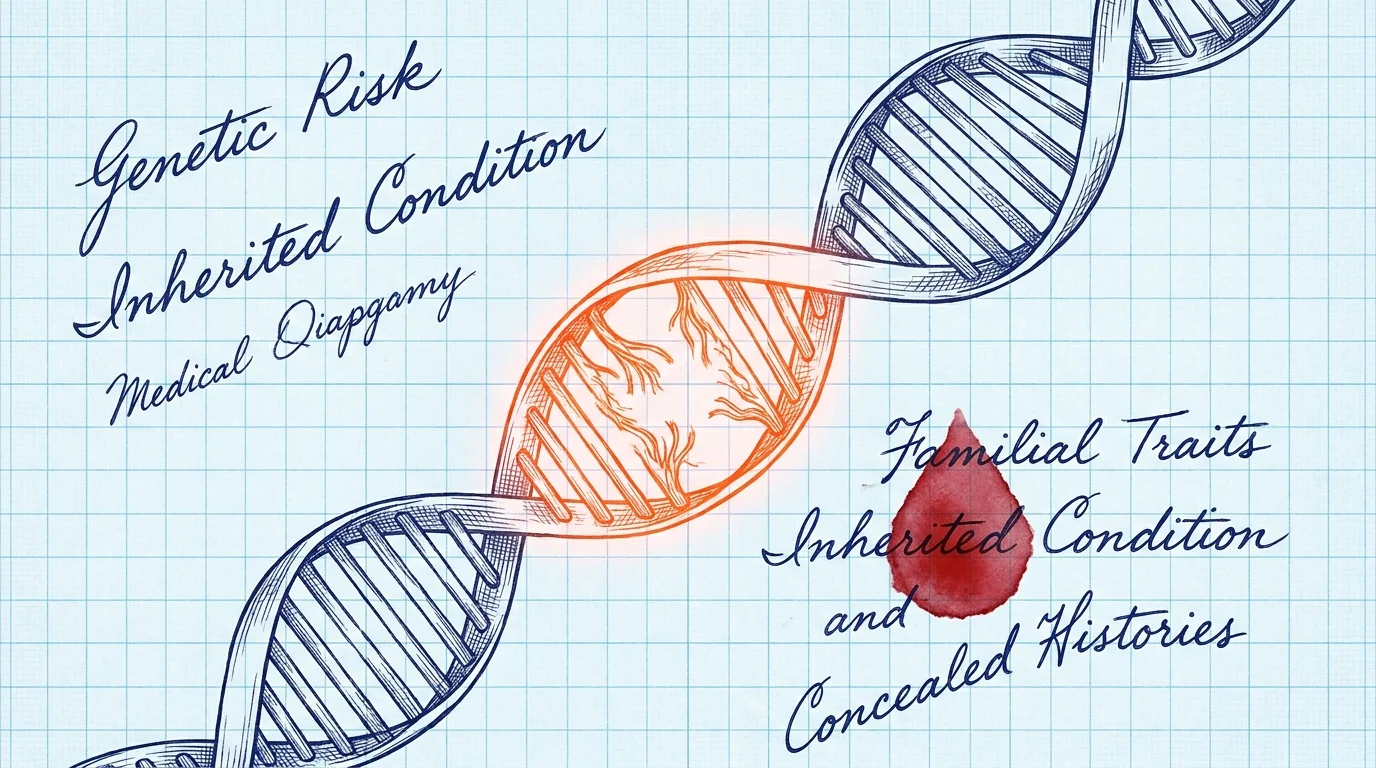
Perhaps the most dangerous family secret involves the deliberate concealment of medical history. Parents and grandparents often hide cancer diagnoses, neurological decline, or genetic disorders out of a misguided desire to protect their children from worry. However, withholding this vital information actively endangers the next generation by denying them the opportunity for early intervention.
In 2013, actress Angelina Jolie revolutionized the public conversation surrounding genetic transparency by publishing a poignant op-ed. She revealed her decision to undergo a preventive double mastectomy after discovering she carried a mutation in the BRCA1 gene, which severely increases the risk of breast and ovarian cancer. Her mother, grandmother, and aunt had all succumbed to cancer, and Jolie chose to use her medical history as a weapon for prevention rather than a source of silent fear. Her transparency sparked a massive surge in genetic testing, a phenomenon researchers dubbed the “Angelina Effect”.
Treat your family medical history as a critical, living document. You should actively compile a comprehensive health record detailing every major illness, the age of diagnosis, and the exact cause of death for your immediate and extended relatives. Bring this detailed documentation directly to your medical providers. Modern medicine offers incredible preventive screenings, but doctors can only order these specialized tests if they know what specific threats to look for. Breaking the silence surrounding family illnesses transforms a legacy of sickness into a roadmap for prolonged survival.

Moving Forward After the Dust Settles
Unearthing deeply guarded family secrets is inherently destabilizing. When the dust finally settles on a major revelation, you are left with the daunting task of integrating this new truth into your existing worldview. You cannot control the decades of deception your relatives engaged in, nor can you alter the historical facts of your lineage. However, you hold absolute power over how these revelations shape your future.
Use the truth as an instrument for profound personal growth. Establish rigorous boundaries with toxic family members, discard the heavy burden of inherited shame, and commit to a lifestyle of radical honesty with your own inner circle. By refusing to perpetuate the cycle of secrecy, you actively break generational curses and create an environment where authentic relationships thrive. The ultimate reward of uncovering your family’s hidden past is the absolute freedom to write a transparent, unburdened future.